Golf cart covers, enclosures and weather gear
A golf cart cover is the cheapest thing you will buy that adds years to the seats and the paint. Start by measuring the roof, then decide whether you need a storage cover, a driving enclosure, or both.
Updated Nov 5, 2026 Every pick names the carts it fits
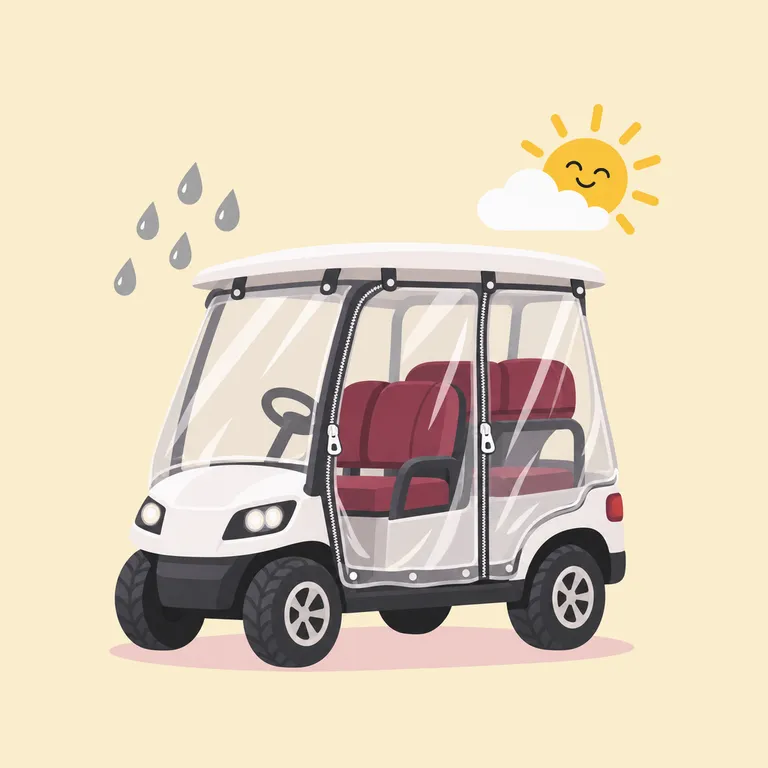
Our top picks in covers & weather
The first pick from each buying guide. Open the guide for the alternatives and the reasons.
- Best overall
DoorWorks Hinged Door Enclosure, Sunbrella
From our best golf cart enclosures guide
Fits: Club Car DS, Precedent and Onward; EZGO TXT and RXV; Yamaha Drive and Drive2; 2 and 4-passenger, 54 to 88-inch tops
about$1,100–$1,700Details - Best for an enclosure (48V carts)
48V Ceramic Golf Cart Heater
From our best golf cart heaters guide
Fits: 48V Club Car Precedent, DS 1995 and later, Onward; EZGO TXT48 and RXV; Yamaha G19, G22, Drive and Drive2
about$120–$250Details - Best for Club Car Precedent, Onward and Tempo
Club Car Precedent Folding Windshield, Clear
From our best golf cart windshields by make guide
Fits: Club Car Precedent 2004 and later, Onward 2017 and later, Tempo 2018 and later
about$90–$160Details - Best overall
10L0L 12V Dual-Head Golf Cart Fan
From our best golf cart fans guide
Fits: Any cart with 12V from a voltage reducer or a gas cart's 12V system; clamps to the standard square front struts
about$45–$90Details - Best drivable rain cover
Classic Accessories Fairway Travel 4-Sided Enclosure
From our best golf cart rain covers and storage covers, sized by roof guide
Fits: Any 2-passenger cart with a 54 to 58-inch top; 4-passenger version for 80-inch tops
about$130–$240Details - Best replacement top
54-inch Replacement Golf Cart Top
From our guide: Golf cart roofs and extended tops
Fits: Club Car DS 1982 to 2013 and Precedent 2004 and later; EZGO TXT 1994.5 and later; Yamaha G14 to G22 and Drive; ordered by model
about$130–$260Details
Which guide do you need?
Find your situation, then follow the link.
- Storage coverCarts parked outside or in a carport; keeps sun and rain off the seats$40–$270Read guide
- Full enclosureDriving in rain, wind and cold; winter use with a heater$140–$1,600Read guide
- HeaterCold mornings; electric for enclosed carts, propane for open ones$25–$250Read guide
- WindshieldReplacing a cracked or yellowed shield; adding a folding or tinted one$80–$320Read guide
- Rain coverQuick pull-over protection and lightweight drivable covers$40–$300Read guide
- Roof or extended topReplacing a faded top, or an 80-inch top for a rear seat kit$130–$900Read guide
- FanSummer heat, humid coastal towns, moving air inside an enclosure$20–$180Read guide
Price ranges are estimates as of Oct 17, 2026.
How to choose
Weather gear is where a golf cart cover, a windshield and a roof all have to agree with each other, and the measurement that ties them together is the roof. Get the roof length right and almost everything else in this section fits. Get it wrong and you are returning a $900 enclosure.
Measure the roof first
Lay a tape along the top from the front edge to the back edge. Two-passenger carts have a 54-inch top (Club Car DS and Precedent, EZGO TXT, Yamaha G-series) or a 58-inch top (EZGO RXV, some Yamaha Drive models). Carts with a factory rear seat or a rear seat kit have an 80-inch extended top. Stretched six-passenger carts run 88 inches and longer. Enclosures, storage covers and driving rain covers are all sold by that number plus the seat count, so write it down before you shop. The fitment finder will also tell you the stock roof length for a make and year.
Windshields work the other way: they are sold by make and model year, because the strut shape changes; DS, Precedent, TXT, RXV, Drive and Drive2 shields do not swap. The windshield guide lists them by year.
Storage covers: the one everyone should own
A storage cover is about $40 to $270 and it does more for resale value than anything else at that price. Sun fades seats and cracks the dash; rain soaks the seat foam.
Polyester, 300D to 600D with a waterproof coating, is the common choice. It weighs a few pounds, folds into a bag, and dries quickly. Expect about $40 to $190 for a two-passenger size and $45 to $270 for a four-passenger with a rear seat, with budget imports at the low end and heavy-duty Classic Accessories and RedDot covers at the top. Vinyl covers cost about $100 to $180, weigh twice as much, and stand up to years of direct sun and salt air without the coating flaking off. If the cart lives on a Florida or Gulf coast driveway, vinyl earns the extra money. Under a carport in the Midwest, polyester is fine.
Buy a cover with vents. A sealed cover over a damp cart grows mildew on the seats in a week of summer heat. Also buy the size that matches your seating: a cover made for a two-passenger cart will not stretch over a rear seat, and a four-passenger cover on a two-passenger cart flaps and lets water in at the back. The rain cover and storage cover page sorts them by size and fabric.
Enclosures: for driving, not parking
An enclosure wraps the cart in clear vinyl windows and fabric panels so you can drive in rain, wind and cold. The cheap ones, about $140 to $350, go over the top of the roof and attach with hook-and-loop and straps; doors roll up and tie off. The good ones, about $700 to $1,600, hang from a track fitted to the roof edge or use hinged doors with real latches, and are made of marine vinyl or Sunbrella acrylic that will not go stiff and crack in cold weather.
A cheap enclosure for the three wettest months is sensible; for daily use through a northern winter, buy the good one once. The enclosure guide explains the door styles and which fabric lasts.
Heaters and fans
Inside an enclosure, go electric: a 48V heater wired to the pack, about $120 to $250, or 12V heated seat cushions through a reducer, about $25 to $60 each. The propane option, the Mr. Heater MH4GC that sits in a cup holder, is about $80 to $140 and is rated for outdoor use only, so it is an open-cart heater; the Little Buddy’s manual says not to run it in a moving vehicle at all. The heater guide covers the fuel and wiring choices.
Fans are the summer version of the same problem: a 12V strut-mount fan on a voltage reducer moves more air than a rechargeable clip fan. The fan guide has the mounting and wiring details.
Roofs and extended tops
A faded or cracked top is about $130 to $300 to replace in the standard length. An 80-inch extended top with longer rear struts, which you need if you add a rear seat kit, is about $350 to $650. Changing to an extended top also changes which enclosure and storage cover fit, so buy the top first and the cover second. The roof and extended top guide covers colors and strut kits.
By the season
Spring: fit the windshield you put off all winter and check the cover for cracked coating. Summer: a vented storage cover and a fan; store the enclosure rolled, not folded, so the windows do not crease. Fall: wash the enclosure windows with plain water and put it back on before the first cold rain. Winter: enclosure, an electric heater or heated cushions, and the storage cover over everything on nights it sits outside.
Fitment pages for Club Car, EZGO and Yamaha list the roof length and windshield years for each model if you are not sure what you have.
What fits each make
Club Car
Two-passenger DS and Precedent carts carry a 54-inch top; four-passenger Onward and Precedent rear seat conversions use an 80-inch extended top. The DS changed its windshield struts for the 2000.5 model year, so a DS windshield is sold as 1982 to 2000 or 2000.5 to 2013. Precedent, Onward and Tempo all share the 2004 and later Precedent windshield. Enclosures are sold by seats and roof length, not by model name alone.
EZGO
TXT carts have a 54-inch standard top and the RXV a 58-inch one, so their enclosures and covers are different sizes even on two-passenger carts. TXT windshields fit 1994.5 to 2013 or 2014 and later; the RXV has its own shape from 2008. Express S4 and L4 four-passenger carts run 80-inch and longer tops; measure before buying an enclosure.
Yamaha
G14 through G22 share a roof and windshield pattern (1995 to 2007). The Drive (G29, 2007 to 2016) and Drive2 (2017 on) each have their own windshield; the Drive2 also comes in a 4-passenger Adventurer with an extended top. Yamaha windshields often ship in two pieces with a separate hinge, so check that the hardware is in the box.
Questions owners ask
What size golf cart cover do I need?
Measure the roof front to back and the cart bumper to bumper. A two-passenger cart with a 54 to 58-inch top takes a cover sold for two-passenger carts, usually around 95 to 100 inches long. A four-passenger cart with an 80-inch top, or a flip rear seat, needs the four-passenger size, usually 110 to 120 inches long. Lifted carts on big tires often need the next size up for height.
Polyester or vinyl storage cover?
A 300D to 600D polyester cover with a waterproof coating is lighter, folds smaller and dries faster; it is the right pick for most carts parked under a carport or in a yard. Vinyl is heavier, lasts longer in constant sun and salt air, and costs about twice as much. Either way, look for air vents, because a sealed cover traps moisture and grows mildew on the seats.
Can I drive with a cover on?
Not a storage cover. It has no windows and will catch wind. For driving in rain you want a drivable rain cover or a full enclosure with clear vinyl windows; the rain cover page covers the lightweight ones and the enclosure page covers the four-season ones.
Do I need an enclosure to use a heater?
No, but an enclosure changes which heater you use. In an open cart, the Mr. Heater MH4GC propane heater sits in a cup holder and aims radiant heat at your legs; Mr. Heater rates it outdoor use only, so it does not belong inside an enclosure. Behind zipped vinyl, use a 48V electric heater or 12V heated seat cushions, which draw from the battery pack and work in either case.
Every covers & weather guide
Best picks (6)
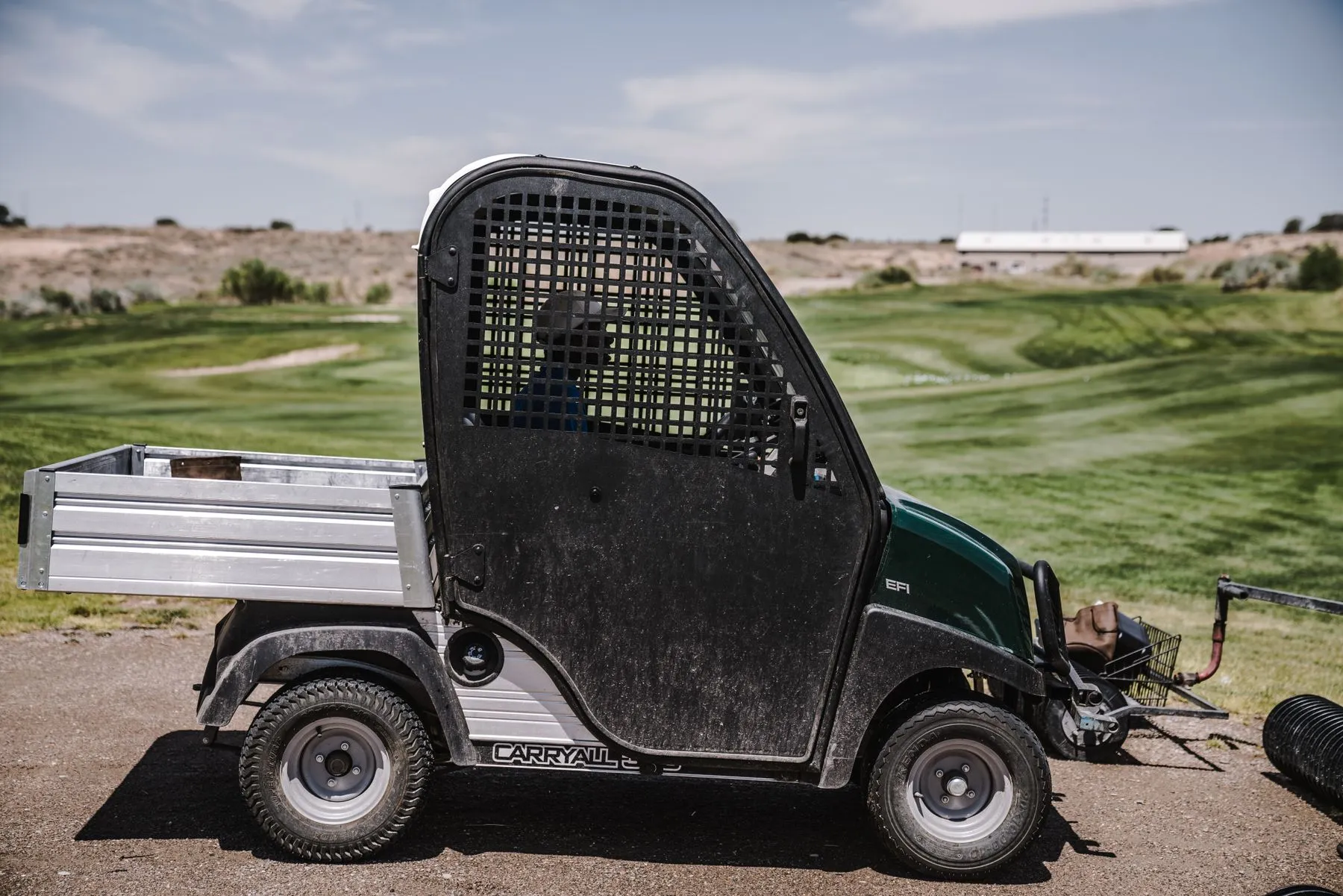
Best golf cart enclosures: 2 and 4-passenger, by roof length
A golf cart enclosure is sold by seat count and roof length, not by make, and the fabric decides whether it lasts one winter or ten. These are the ones that fit a standard cart, from a $150 over-the-top cover to a hinged-door Sunbrella cab.
Best picks · 6 picksUpdated Nov 5, 2026

Best golf cart heaters: propane, 12V and 48V electric, heated seats
A golf cart heater is either a small propane unit for an open cart or an electric one that runs off the pack. Propane makes more heat for less money but its maker rates it for open air only; electric is the kind to use in an enclosure.
Best picks · 5 picksUpdated Nov 5, 2026
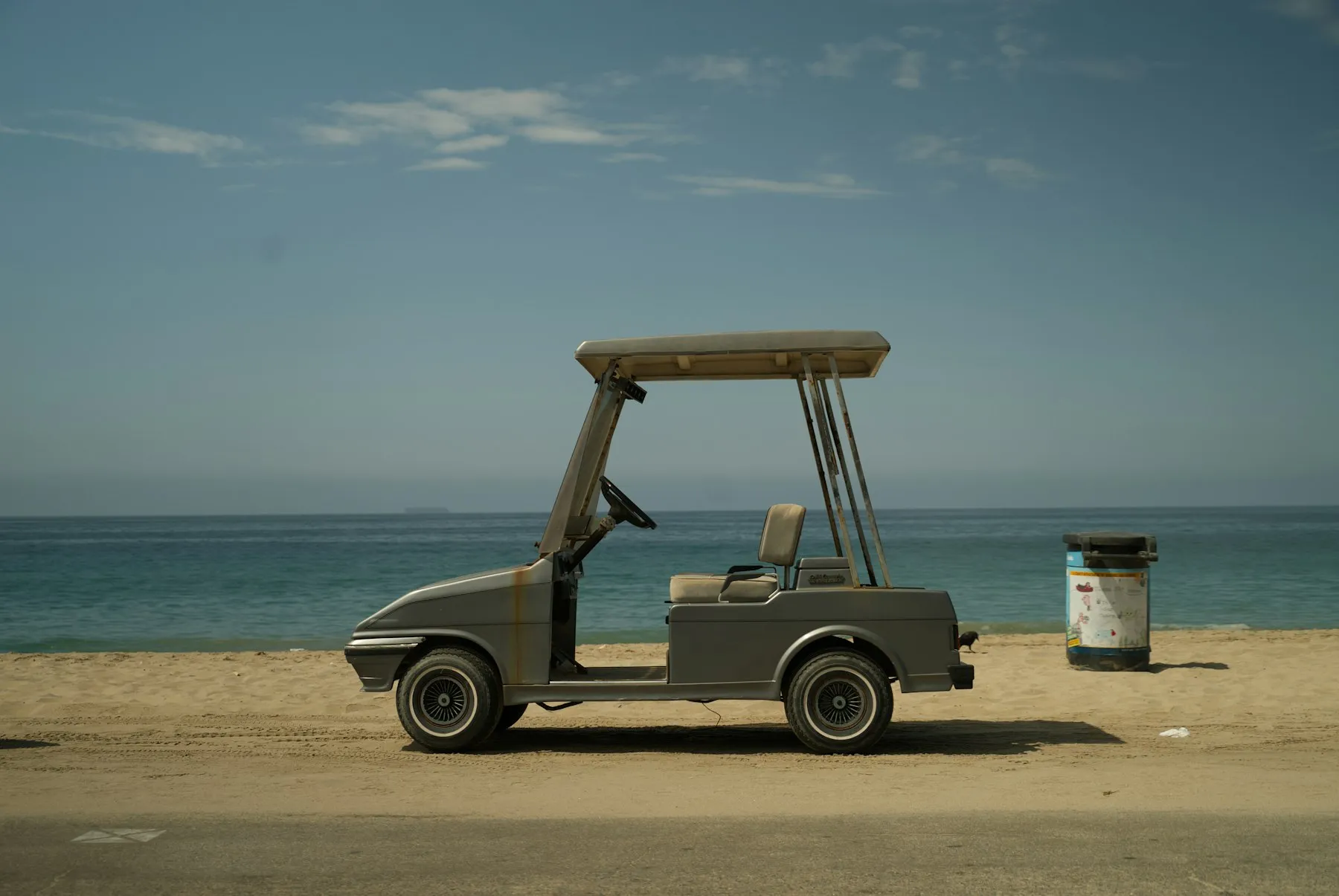
Best golf cart windshields by make: folding, tinted and polycarbonate
A golf cart windshield is sold by make and model year because every strut shape is different. Pick yours by year, then choose folding or fixed, clear or tinted, and 3/16 acrylic or 1/4-inch polycarbonate.
Best picks · 6 picksUpdated Nov 5, 2026

Best golf cart fans: 12V strut-mount, rechargeable and misting
A golf cart fan is either a 12V unit wired to a voltage reducer or a rechargeable one you clip on and charge in the house. Wired fans move more air and never go flat; rechargeable fans need no wiring and move to the porch when the cart is parked.
Best picks · 5 picksUpdated Nov 5, 2026
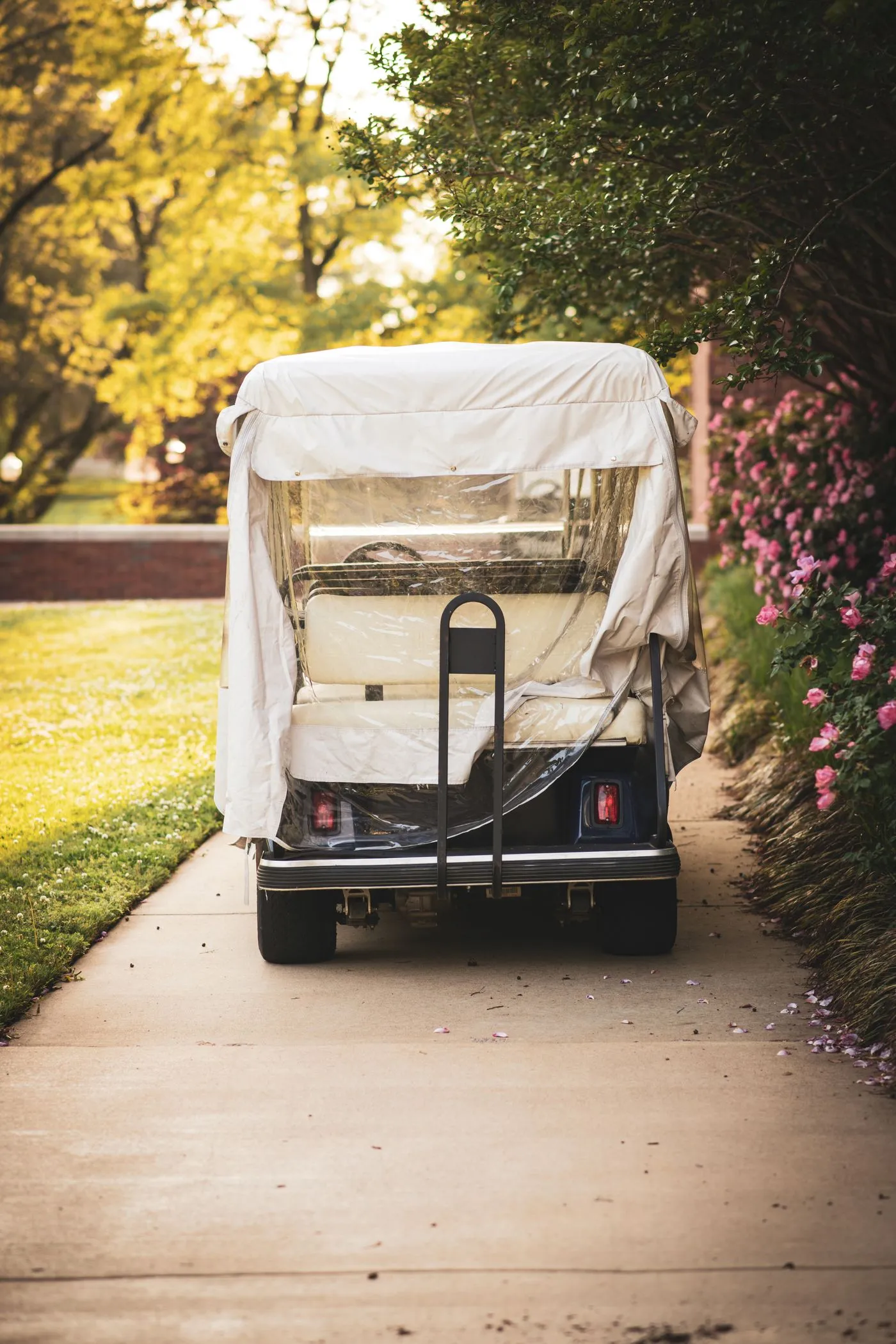
Best golf cart rain covers and storage covers, sized by roof
A golf cart rain cover is either a storage cover you pull over a parked cart or a drivable cover with windows you can see through. Both are sized by roof length and seat count, and a storage cover for a parked cart runs about $40 for a budget two-passenger to $270 for a heavy-duty four-passenger.
Best picks · 5 picksUpdated Nov 5, 2026

Golf cart roofs and extended tops: replacement and 80-inch tops
A golf cart roof is a 54 or 58-inch top on a two-passenger cart and an 80-inch extended top on anything with a rear seat. Replacing a faded one is about $130 to $300; going to an extended top with the struts to hold it is about $350 to $650.
Best picks · 5 picksUpdated Nov 5, 2026
Other categories





Get the fitment guide for your cart
One page with your cart's voltage, tire sizes, lift-kit family and the parts that fit it. We send it once, then a short note when a price or a part changes.
No spam, and we never sell your address. One-click unsubscribe.