Golf cart motors, controllers and speed
A stock electric cart does 12 to 15 mph, a modern one 19 or so, and almost every cart can go faster than it does. The ladder runs from a free speed code to a $3,000 gas conversion, and the right rung depends on how you drive and what your brakes can take.
Updated Nov 5, 2026 Every pick names the carts it fits
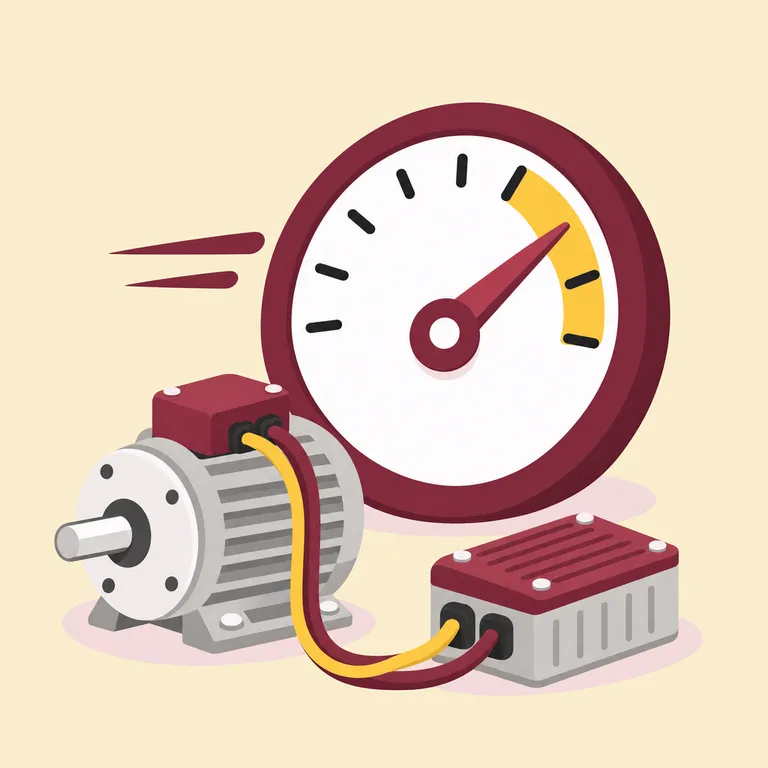
Our top picks in performance
The first pick from each buying guide. Open the guide for the alternatives and the reasons.
- Cheapest first step
Speed Chip or Speed Code Upgrade
From our guide: How fast does a golf cart go, and how to make yours faster
Fits: EZGO TXT PDS 2000 to 2009; Club Car DS IQ 2001 to 2013 and Precedent IQ 2004 to mid-2008; Excel Precedent from mid-2008, Onward and Tempo
about$40–$250Details - Best for Club Car IQ and Excel
Alltrax XCT 48400 Sepex Controller
From our best golf cart speed controllers guide
Fits: Club Car DS 2001 to 2013 and Precedent 2004 to mid-2008 with the IQ system; mid-2008 and later Excel carts with the matching harness
about$500–$700Details
Which guide do you need?
Find your situation, then follow the link.
- Speed code or programmerClub Car IQ and Excel, EZGO PDS and DCS carts limited by software$0–$250Read guide
- Bigger tiresAny cart; 3 to 4 mph for the price of a tire and wheel set$400–$900Read guide
- Speed controller400 to 600 amps for torque and hill speed on a stock or upgraded motor$450–$1,100Read guide
- MotorHigh-speed or high-torque motor on a series or sepex cart$450–$1,200Read guide
- Motor and controller kitMatched set for 25 mph or more; AC conversions for RXV and Drive2$1,200–$3,000Read guide
- High-speed gear setTop speed without more amps; costs torque on hills$400–$700Read guide
- Gas engine conversionGas carts wanting 25 to 35 mph and towing; Vegas Carts kits$1,500–$3,500Read guide
Price ranges are estimates as of Oct 17, 2026.
How to choose
Speed on a golf cart is a ladder, and most owners stop two rungs up. A golf cart motor and controller are the expensive rungs; a speed code and a set of taller tires are the cheap ones, and they get a 15 mph cart to 20. Before any of it, know what you have: the make and year decide whether your top speed is set by software, by gearing or by the motor itself. The faster-cart guide walks the ladder in order; this page explains how to read your cart.
Stock speeds, and why they differ
A 1990s cart was built for a golf course and set to 12 to 15 mph. Carts built since about 2010 have a high-speed setting of 19 to 20 mph that fleets turn off and owners turn on. A low-speed vehicle, the federal class most street-legal carts register as, is built for 20 to 25 mph and the rules stop there. The LSV page covers what that class requires.
Speed codes: the free rung
Club Car IQ carts (the DS from about 2001 and the Precedent from 2004 to mid-2008) have speed codes set by a dealer with a handheld programmer, from code 1 at about 8 mph to code 4 at about 19 mph; codes 1 to 3 are a cheap change and code 4 is a paid code Club Car issues for your controller. Excel carts (Precedents from mid-2008, plus the Onward and Tempo) use the same codes. EZGO PDS carts (2000 to 2009) take a handheld setting or a plug-in speed chip that lifts the cart from about 13 mph to about 19.
Yamaha has no owner speed code on the DC carts; the G19, G22 and Drive are sepex, so top speed is held by the stock controller, and a replacement sepex controller is how you change it. The Club Car, EZGO and Yamaha fitment pages say which system each year has, and the fitment finder will tell you from the serial plate.
Series or sepex: read this before buying anything
Electric carts have one of three drive types and the parts do not cross.
Series motors have the field and armature wired in series. They pull hard from a stop and do not need the controller to know anything about the motor. Club Car DS 1995 to about 2000, EZGO TXT series carts (lever forward and reverse) and the 36V Yamaha G14 and G16 are series carts. Controllers for them are series controllers like the Alltrax SR.
Sepex, or shunt, motors have a separately excited field the controller drives on its own. They give the controller control over regen braking and top speed, which is how speed codes work. Club Car IQ and Excel, EZGO PDS, DCS and TXT48, and the Yamaha G19, G22, Drive and Drive2 DC are sepex. Controllers for them are sepex controllers like the Alltrax XCT.
AC drive uses a three-phase motor and an inverter. EZGO RXV and Yamaha Drive2 PowerTech AC are AC. Upgrades are AC kits from Navitas, sold as a controller and motor together.
A series controller on a sepex motor does nothing useful. The speed controller guide lists which controller fits which cart.
Controllers and motors
A stock controller is 250 to 300 amps. A 400-amp controller on a stock motor gives more torque on hills and a few mph on the flat, and it is the most common upgrade at about $450 to $700. Past 400 amps the stock motor overheats on long climbs, so 500 and 600-amp controllers go with a motor built for them. A matched motor and controller kit is about $1,200 to $2,000 and will take a 48V cart to 25 mph or more.
Motors come in high-speed and high-torque winds. High-speed gives top end and loses hill pull; high-torque is for lifted carts on big tires. Pick by how you drive.
Gears, tires and lithium
A high-speed gear set swaps the differential ratio from the stock 12.3:1 or so to 8:1 or 6:1 for about $400 to $700: more top speed for the same amps, less torque on hills. Taller tires do the same thing cheaper. The stock 18-inch tire to a 22-inch is about 20 percent more road per motor turn, so 15 mph becomes about 18. The lift kit guide covers what you need to clear them.
Lithium does not change top speed because voltage is the same. It does hold that voltage all day and drop 300 pounds, so the cart feels quicker and does not fade. If the pack is due anyway, the 48V lithium page is where to start; a 400-amp controller also wants a BMS rated above its peak.
Brakes first
Every rung up this ladder adds speed the brakes were not sized for. Stock drums are fine at 15 mph and marginal at 25 with two passengers. Before a motor or a gear set, adjust the drums, replace worn shoes, and look at a disc conversion over 22 mph. Seat belts from the seat belt guide are the other half of that spend.
Gas conversions
Gas carts are governed to 14 to 19 mph and the governor is adjustable within reason. Beyond that, a Vegas Carts conversion kit mounts a larger engine, commonly a Predator 670 or a Honda twin, on the stock frame for about $1,500 to $3,500 depending on the engine. The faster-cart guide covers when a conversion makes more sense than an electric upgrade.
What fits each make
Club Car
DS carts from 1995 to about 2000 are 48V series carts; the DS from about 2001 and the 2004 to mid-2008 Precedent use the IQ system, a sepex motor with a Curtis controller whose top speed is set by a speed code (code 4 is about 19 mph). Precedents from mid-2008 (most 2009 and later carts), plus the Onward and Tempo, use the Excel system, which takes the same dealer speed codes (code 4 is about 19 mph again); the ERIC charger that arrived around 2014 did not change that. Aftermarket controllers for IQ and Excel are sepex units; for the early DS they are series units.
EZGO
TXT carts from 1994.5 to 2009 came as 36V series carts or as PDS and DCS sepex carts; PDS is the common one from 2000 and its top speed is set by a handheld or a plug-in speed chip. The TXT48 from 2010 is a 48V sepex cart with its own controller and no plug-in speed chip; a TXT48-specific sepex controller is the speed upgrade. The RXV from 2008 is 48V AC drive and takes AC conversion kits from Navitas, not DC controllers. Marathon carts are resistor-coil and the usual upgrade is a solid-state controller conversion.
Yamaha
G19, G22 and the Drive (G29) are 48V sepex carts with a Hitachi shunt-wound motor and no owner speed code; the path to speed is a Yamaha-specific sepex controller (Navitas or Alltrax XCT), then a motor. The Drive2 was sold as a DC sepex cart and is now the PowerTech AC version, which takes Navitas AC kits; QuieTech is the gas Drive2. G14 and G16 are 36V series carts. Yamaha gas carts are governed and gain a few mph from a governor adjustment before any engine work.
Questions owners ask
How fast does a golf cart go?
Older electric carts are set to 12 to 15 mph from the factory. Most carts built since about 2010 will do 19 to 20 mph on their highest factory setting. A street-legal LSV is built for 20 to 25 mph and the federal definition tops out there. Gas carts run 14 to 19 mph stock depending on the governor.
What is the cheapest way to make a golf cart faster?
On a Club Car IQ or Excel or an EZGO PDS cart, the speed code. It costs nothing if you have a handheld or a friend with one, and a dealer charges about $50 to $150. After that, bigger tires give 3 to 4 mph for the price of a wheel and tire set you may want anyway.
Does lithium make a golf cart faster?
Not in top speed. The motor sees the same voltage, so the cart tops out where it did. What changes is that lithium holds that voltage until the pack is nearly empty and weighs 300 pounds less, so the cart feels quicker off the line and stays at full speed all day instead of fading as a flooded set sags.
Will a bigger controller hurt my motor?
A 400-amp controller on a stock motor is fine for most carts. A 500 or 600-amp controller on a stock motor will cook it on long hills because the motor is not built to shed that heat. Past 400 amps, buy the motor and controller as a matched pair.
Every performance guide
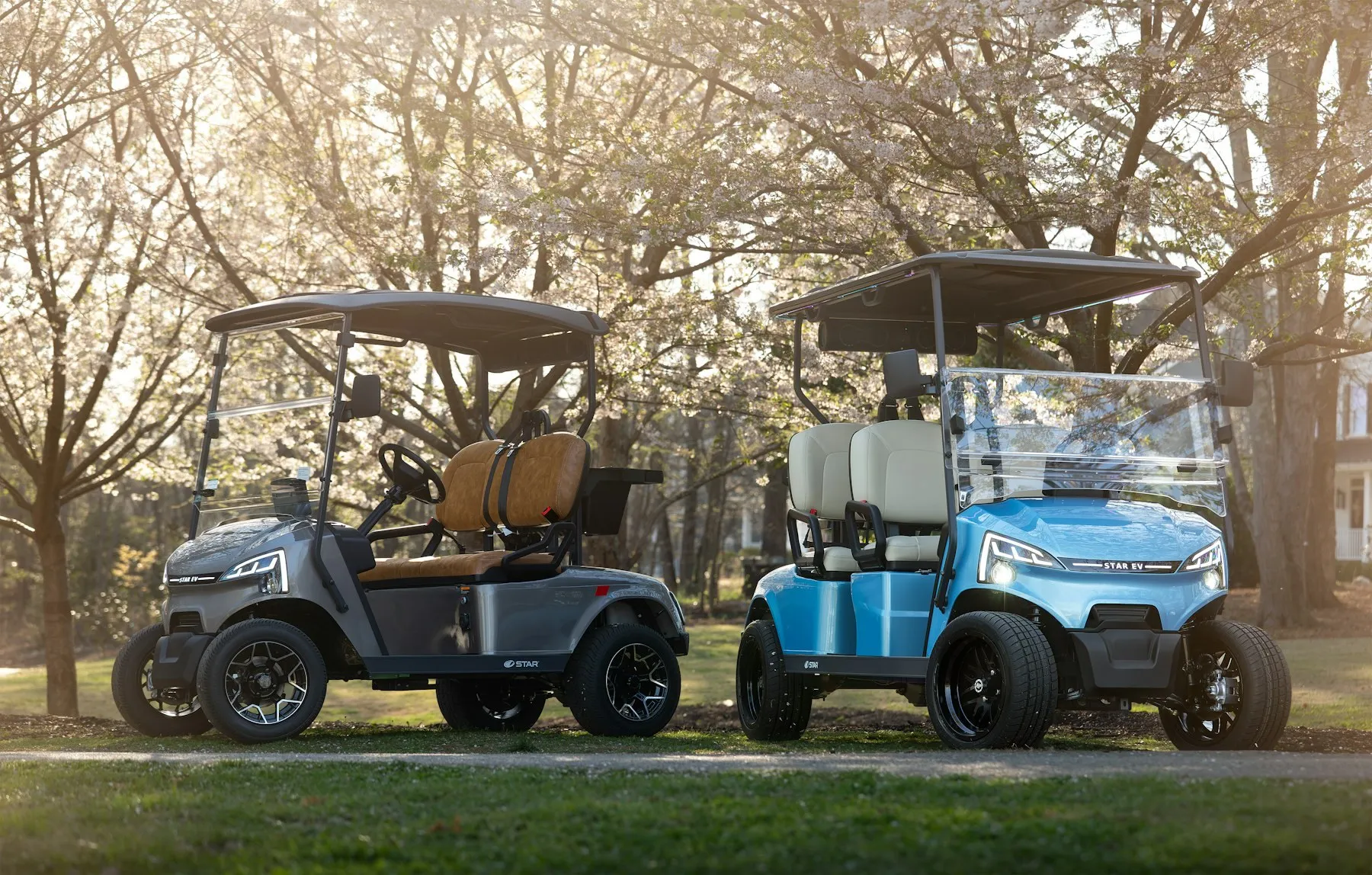
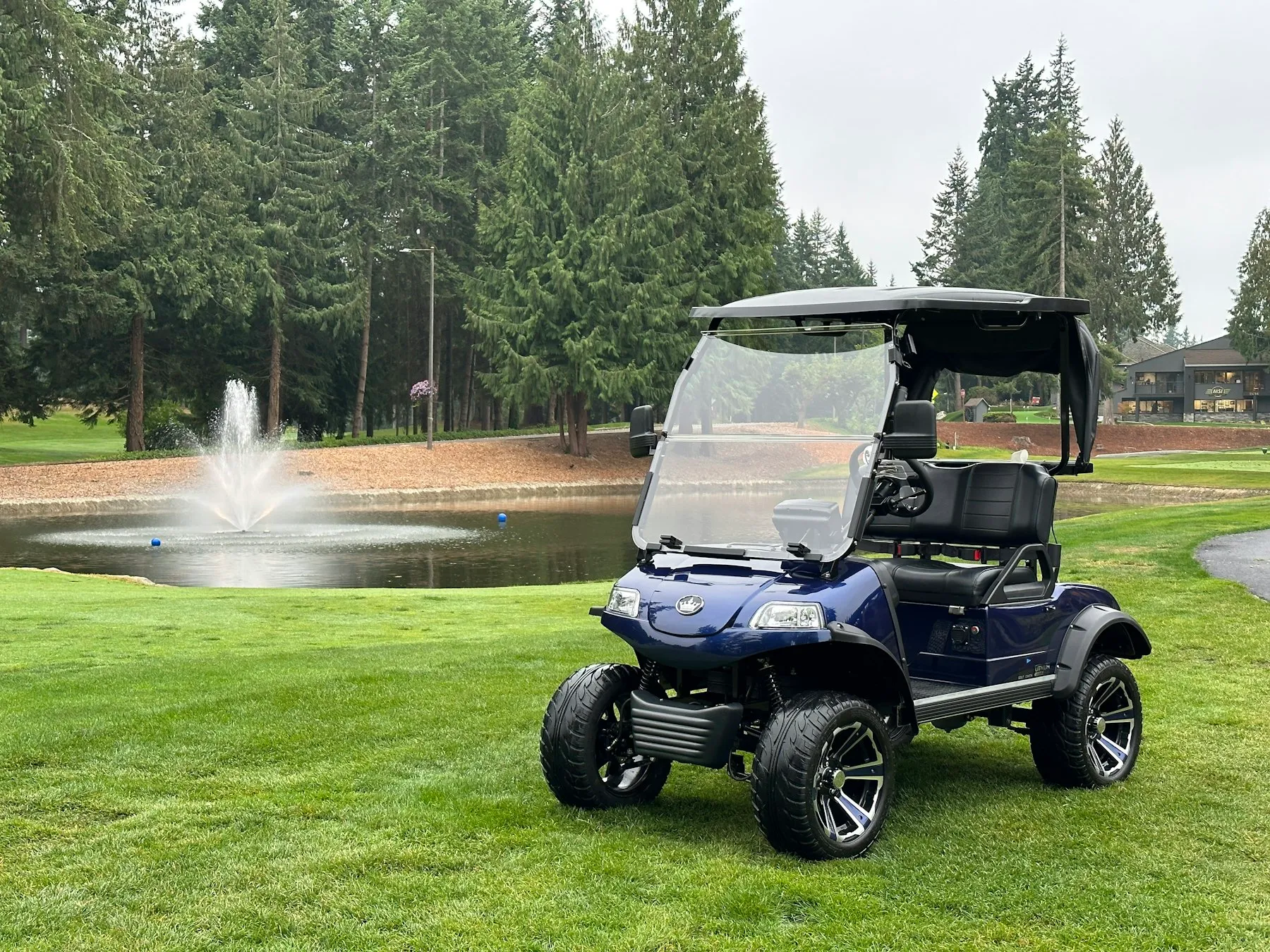
Other categories




Get the fitment guide for your cart
One page with your cart's voltage, tire sizes, lift-kit family and the parts that fit it. We send it once, then a short note when a price or a part changes.
No spam, and we never sell your address. One-click unsubscribe.