Golf cart batteries and charging
Batteries are the biggest spend on an electric cart and the easiest one to get wrong. Start with your voltage, decide lead-acid or lithium, then pick a set and a charger that agree with each other.
Updated Nov 5, 2026 Every pick names the carts it fits
Our top picks in batteries
The first pick from each buying guide. Open the guide for the alternatives and the reasons.
- Best overall for 48V carts
Eco Battery 48V 105Ah
From our best lithium golf cart batteries guide
Fits: Any 48V Club Car, EZGO or Yamaha; drop-in tray kits for Precedent, DS, TXT, RXV and Drive
about$1,900–$2,500Details - Best overall
Dakota Lithium 36V 60Ah
From our best 36V lithium golf cart batteries for DS, TXT, Marathon and G14 guide
Fits: Club Car DS to 1994; EZGO Marathon, Medalist and TXT to 2009; Yamaha G14 and G16
about$1,100–$1,500Details - Best overall
Trojan T-105
From our best 6 volt golf cart batteries guide
Fits: Any cart that takes GC2 batteries: 36V Club Car DS to 1994, EZGO Marathon, Medalist and TXT to 2009, Yamaha G14 and G16; eight in a 48V Yamaha Drive or Drive2 built with the eight-battery option
about$190–$250Details - Best overall
Trojan T-875
From our best 8 volt golf cart batteries for 48V carts guide
Fits: Any 48V cart with six 8V slots: Club Car DS 1995 and later, Precedent from mid-2008, Onward and Tempo; EZGO TXT48; Yamaha G19, G22, Drive and Drive2
about$220–$290Details - Best overall, any cart
Lester Summit Series II 1050W
From our best golf cart chargers by plug guide
Fits: Any 36V or 48V cart; order with the Club Car 3-pin, EZGO PowerWise D, EZGO 3-pin, Yamaha or SB50 connector
about$450–$650Details - The upgrade that adds a year
Single-point battery watering kit
From our guide: How long do golf cart batteries last
Fits: Flooded 6V, 8V and 12V sets; kits are sold by battery count and voltage for Club Car, EZGO and Yamaha
about$80–$180Details
Which guide do you need?
Find your situation, then follow the link.
- Lithium pack (48V)Range, weight, no watering, carts used most days$1,500–$2,800Read guide
- Lithium pack (36V)Older DS, Marathon, TXT and G16 carts staying 36V$1,100–$1,900Read guide
- Conversion kitLithium with the tray, hardware and charger in one box$1,700–$3,200Read guide
- 6-volt flooded setLowest cost per amp-hour, 36V carts (6) and 48V carts (8)$900–$1,500Read guide
- 8-volt flooded set48V carts with six battery slots$950–$1,400Read guide
- 12-volt set48V carts with four slots, light use$800–$1,200Read guide
- ChargerReplacing a dead OEM charger or matching a new lithium pack$180–$550Read guide
Price ranges are estimates as of Oct 17, 2026.
How to choose
A golf cart’s battery pack is a third or more of what the cart is worth, so this is the category where ten minutes of reading saves the most money. Everything in this guide comes back to three questions.
Which voltage you have
Count the batteries and read the label on one. Six 6-volt batteries makes a 36-volt cart. Six 8-volt or four 12-volt batteries makes a 48-volt cart; so does eight 6-volt, which Yamaha offers as a long-range option on the Drive and Drive2. Then confirm against the make: Club Car DS went from 36V to 48V in 1995, EZGO’s TXT went to 48V in 2010, and every Precedent, RXV and Drive is 48V. The fitment finder will tell you from the make, model and year if you cannot get to the batteries.
Do not guess from the charger, because chargers get swapped. Do not guess from the motor either; 36V and 48V motors look the same from the outside.
Lead-acid or lithium
Flooded lead-acid is the cheap, known quantity. A full set is about $900 to $1,500, it wants water once a month and a full charge after every use, and it gives four to six years if you do both. It weighs 350 to 400 pounds and you lose range steadily as it ages.
Lithium (LiFePO4) costs about $1,500 to $2,800 for a 48V pack, weighs 80 to 120 pounds, needs no water, holds its voltage until it is nearly empty, and is typically warrantied for eight to ten years. The cart is noticeably quicker off the line because the pack is lighter and the voltage does not sag.
The battery upgrade calculator runs the ten-year arithmetic with your miles and prices. For most owners who drive a few times a week it comes out close to even on cost, with lithium winning on everything else. For a cart that goes out twice a month in summer and sits on a charger the rest of the year, a good flooded set is still the sensible buy.
If you are going lithium, the lithium battery guide is where to start, with separate pages for 48V packs and 36V packs. If you want the tray, cables and charger in one box, the conversion kit page covers that.
If you are staying with flooded, pick by battery size: 6-volt sets for 36V carts and eight-slot 48V carts, 8-volt sets for six-slot 48V carts, and 12-volt sets for four-slot carts. Trojan is the brand most owners name first; the Trojan page says when it is worth the premium and when it is not.
The charger has to match
A 36V charger will not charge a 48V pack, and a lead-acid charger will usually refuse a lithium pack or finish it badly. Match three things: voltage, chemistry and the plug on your cart. The charger guide is organized exactly that way.
Keeping a set alive
Most dead sets die of neglect rather than age. How long batteries last explains what shortens a set; maintenance is the monthly routine; testing tells you whether it is one bad battery or the whole pack; and charging covers how long a full charge takes and why you should never leave a flooded set half-charged.
If you are replacing cables or rewiring a pack, battery cables and the 48V wiring diagram are the two pages to open side by side.
What a set costs
Before you shop, how much golf cart batteries cost puts numbers on every option, including installation and core charges, so the price on a listing is not the surprise it often is.
What fits each make
Club Car
DS is 36V through 1994 (six 6V) and 48V from 1995 (six 8V). Precedent, Onward and Tempo are 48V: the 2004 to mid-2008 Precedent has four 12V, later Precedents and every Onward and Tempo have six 8V, and a factory lithium option arrived around 2019. The round three-pin charger plug on 1995 and later carts is the one most aftermarket chargers are sold with.
EZGO
Marathon and Medalist are 36V (six 6V). TXT is 36V through 2009 with the D-shaped PowerWise plug; TXT48 from 2010 and all RXVs are 48V with the Delta-Q style plug. RXV left the factory with four 12V; some have been converted to six 8V with EZGO's six-battery tray. TXT48 uses six 8V. The Liberty is factory lithium; leave its pack to EZGO.
Yamaha
G14 and G16 are 36V. G19, G22, Drive (G29) and Drive2 are 48V with six 8V batteries as standard; most 2007 to 2010 Drives have four 12V, and Drives and Drive2s built with the long-range option have eight 6V. Yamaha's charger plug changed over the years, so match the charger to the receptacle on your cart, not just to the voltage.
Questions owners ask
How do I know if my cart is 36V or 48V?
Count the batteries and read the voltage printed on top of one. Six 6V batteries is a 36V cart; six 8V or four 12V is 48V. Eight 6V batteries is also 48V. If a previous owner has swapped things around, a multimeter across the whole pack settles it.
Can I put a lithium battery in a cart built for lead-acid?
Yes, on any 36V or 48V cart. You need a pack built for golf carts (with a BMS sized for the motor's current draw), a lithium-compatible charger, and usually a tray or bracket because one lithium pack does not fill six battery slots. The conversion kit page covers the hardware.
Do I need a new charger for lithium?
Almost always. A lead-acid charger finishes with a long low-current float stage that a lithium BMS may reject, and some chargers will not start at all because the pack does not look like six lead-acid batteries. Most lithium packs are sold with a matched charger or list the ones that work.
How many years should a set last?
Flooded lead-acid, watered monthly and charged after every use, is usually good for four to six years. Left flat over a winter it can die in two. Lithium packs are typically warrantied for eight to ten years and owners are only now reaching the end of the first ones.
Every batteries guide
Best picks (11)

Best 36V lithium golf cart batteries for DS, TXT, Marathon and G14
A 36V cart is twenty to thirty years old by now and worth keeping if the frame is straight. One lithium pack takes 250 pounds of flooded batteries out of it and ends the watering. These are the 36V packs that fit, plus an honest look at whether you should convert to 48V while the seat is up.
Best picks · 5 picksUpdated Nov 5, 2026
Best 48V lithium golf cart batteries: 105Ah vs 160Ah, BMS and trays
Six 8V flooded batteries weigh 380 pounds and need water every month. One 48V lithium pack weighs 90, needs nothing, and goes just as far. These are the packs that fit a stock 48V cart, with the capacity, BMS and tray details that decide whether the install takes two hours or a weekend.
Best picks · 6 picksUpdated Nov 5, 2026
Best 6 volt golf cart batteries: Trojan, Interstate, Duracell, Crown
Six of these under the seat is a 36V cart; eight is a 48V Yamaha built with the long-range tray. They all share one case size, so the choice comes down to amp-hours, warranty and how far you want to drive to buy them. A good set, watered monthly, lasts four to six years.
Best picks · 6 picksUpdated Nov 5, 2026
Best 8 volt golf cart batteries for 48V carts: T-875, GC8 and rivals
Six 8V batteries is the standard 48V set in a Club Car DS or Precedent, a TXT48 or a Yamaha Drive. They share a case with the 6V batteries but carry four cells instead of three, so the plates are thinner and the set lives a year or so less. Here is how to buy a set that gets to year five.
Best picks · 5 picksUpdated Nov 5, 2026
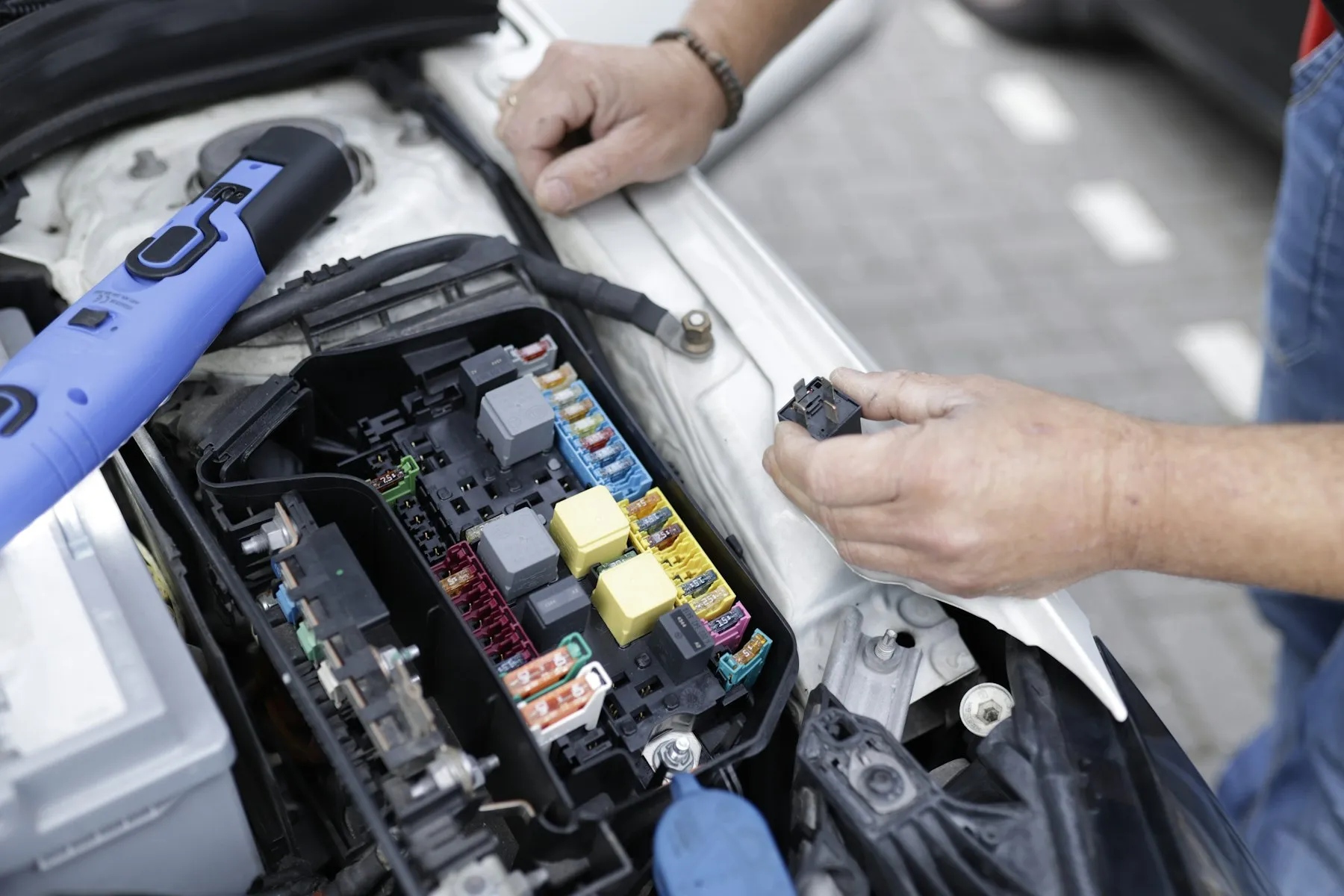
Best golf cart chargers by plug: Club Car, EZGO, Yamaha and lithium
A charger has to match three things: the voltage of the pack, the chemistry of the pack, and the plug on the side of the cart. Get one wrong and it either will not connect, will not finish, or will slowly cook a set of batteries. These are the chargers worth buying, sorted by the plug they fit.
Best picks · 7 picksUpdated Nov 5, 2026
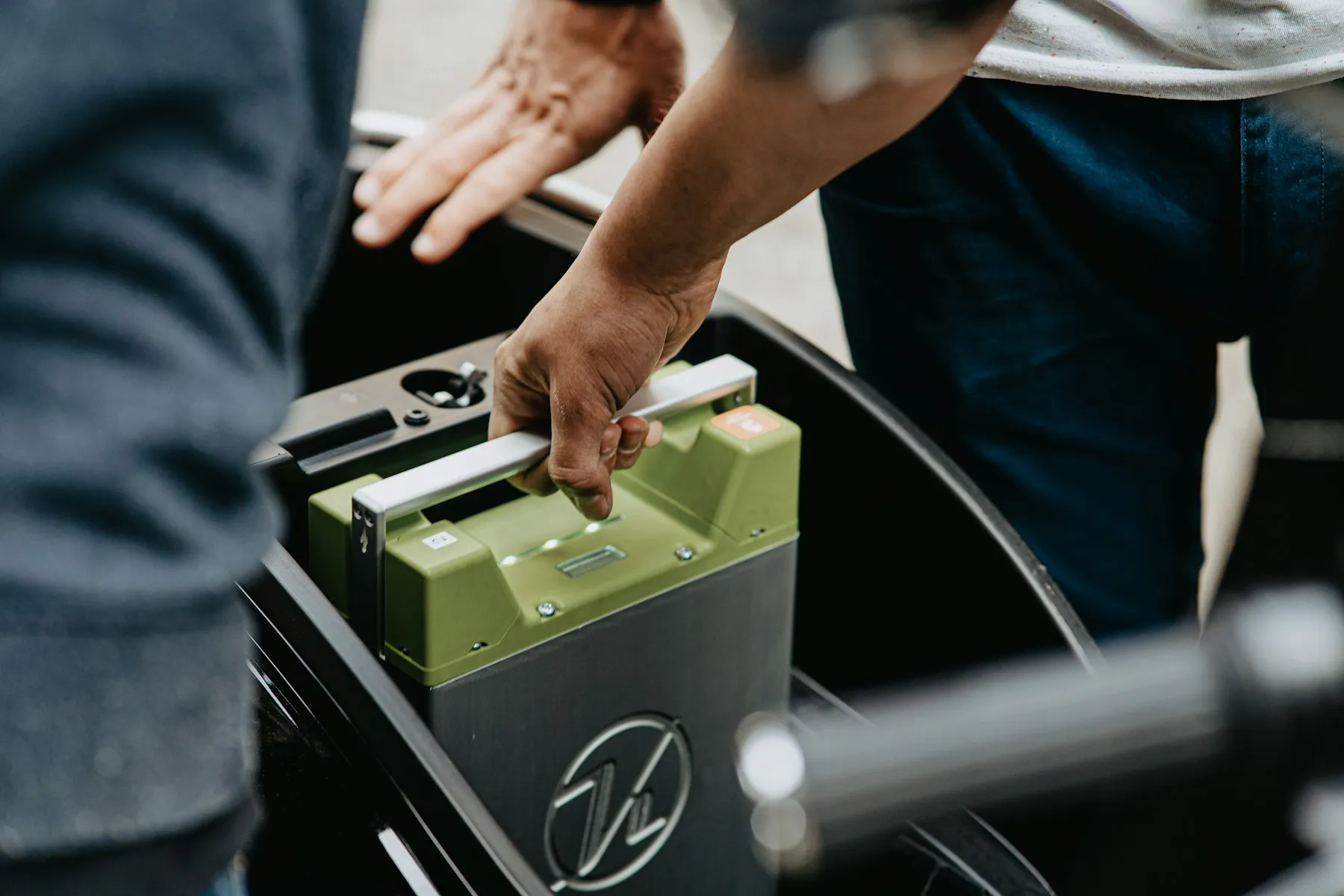
Best lithium golf cart batteries: 48V and 36V packs that fit
A lithium pack costs more than a flooded set on the day you buy it and less by the time the second flooded set would have gone in. These are the packs that fit a standard cart, from the ones we would buy for a daily driver to the ones that make sense for a 36V cart you are keeping original.
Best picks · 6 picksUpdated Nov 5, 2026

Golf cart lithium battery conversion kits: pack, tray and charger
A bare lithium pack is a Saturday of measuring, drilling and ordering cables. A conversion kit is the pack, a tray that bolts to your cart's existing holes, a charger with the right plug and the hardware, in one box. These are the kits worth buying, sorted by the cart they are built for.
Best picks · 6 picksUpdated Nov 5, 2026
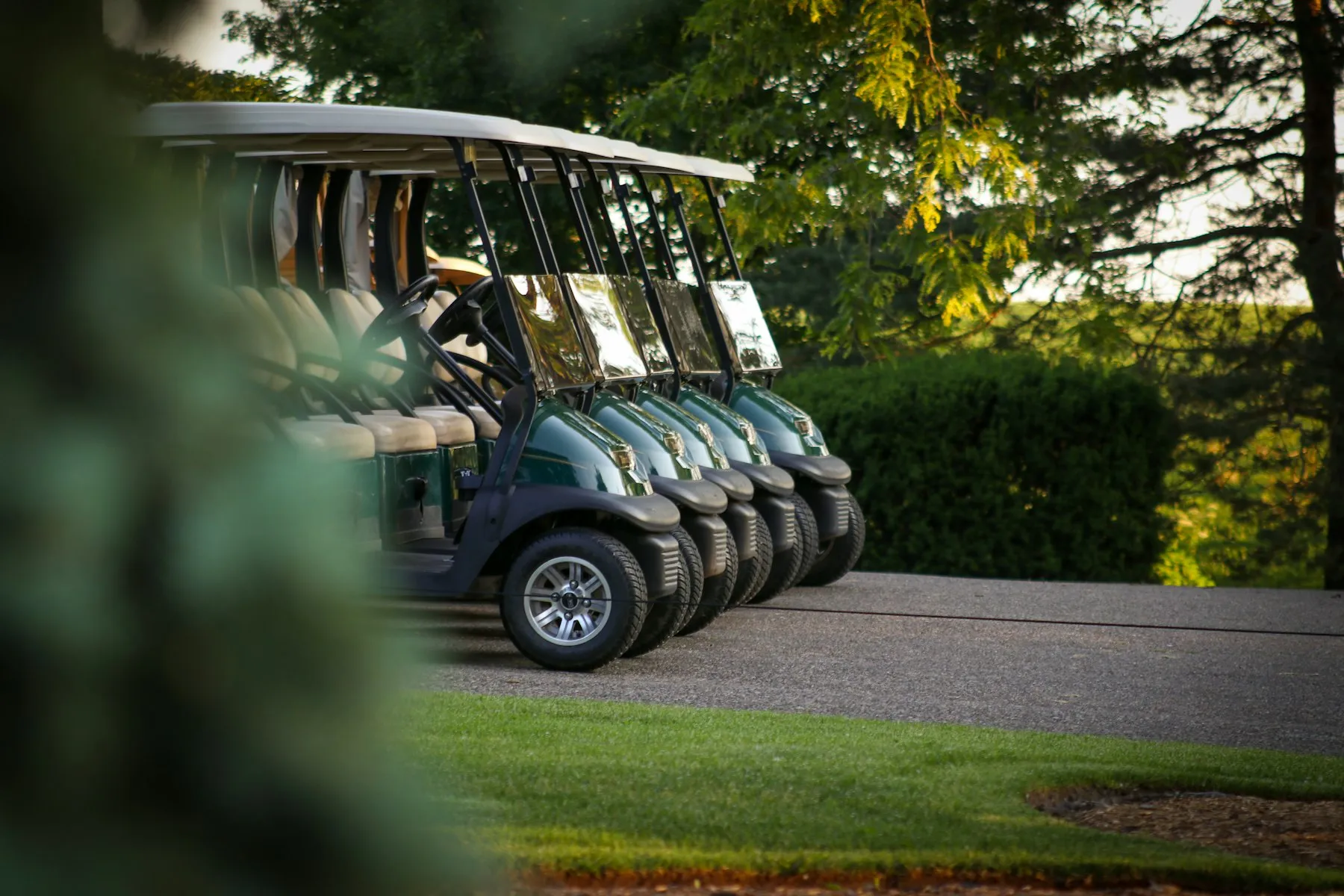
48 volt golf cart batteries: six 8V, four 12V, eight 6V or lithium
There are four ways to make 48 volts under a golf cart seat, and your tray decides which three you can use. Here is what each layout costs, how far it goes, and the picks for each, including the point where lithium starts winning.
Best picks · 6 picksUpdated Nov 5, 2026
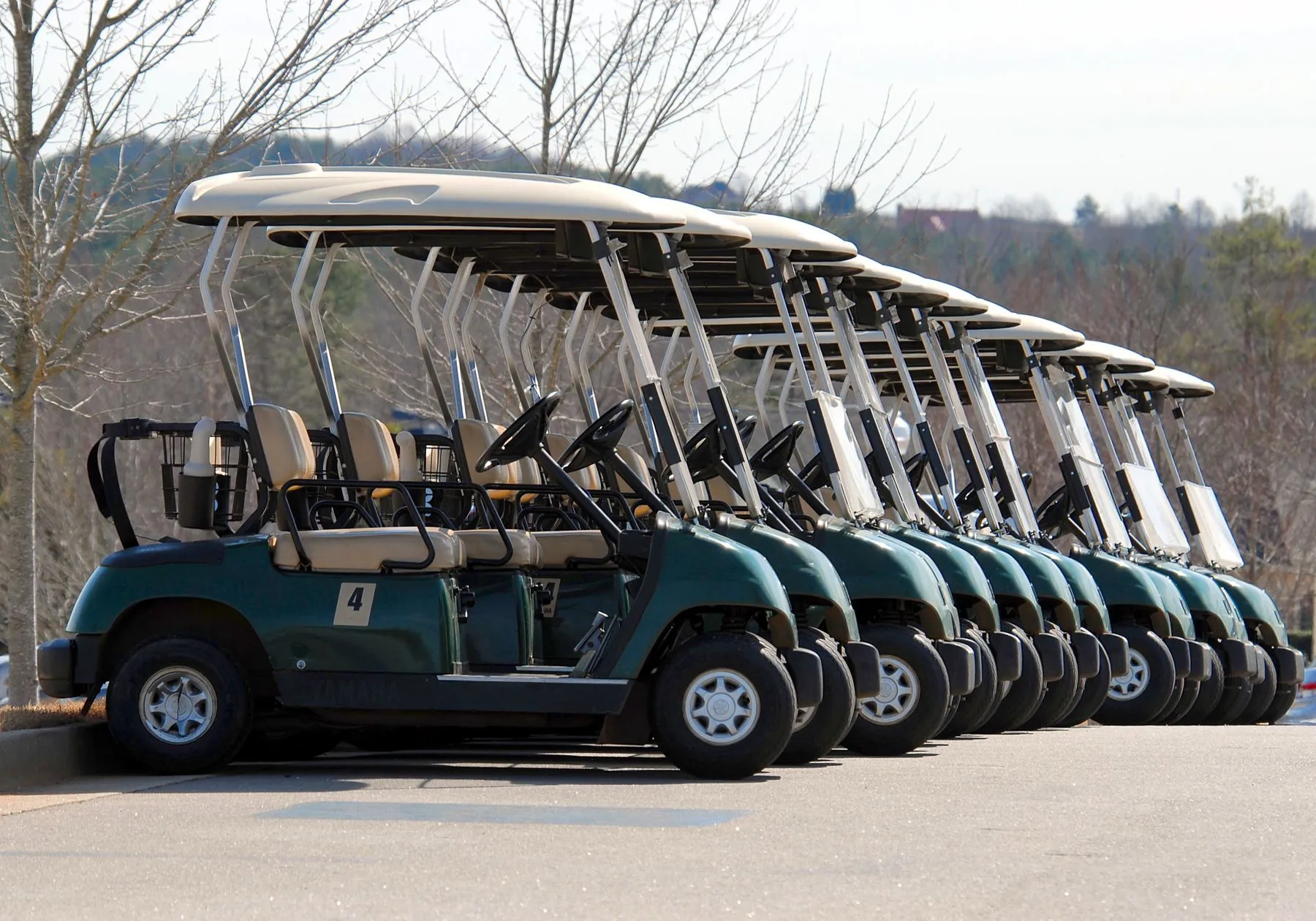
Best 12 volt golf cart batteries: four for a 48V cart
Four 12-volt batteries make a 48V cart, and that is how the EZGO RXV and the early Club Car Precedent left the factory. These are the ones worth putting in, and the honest reason a four-battery set gives you a little less range than six 8-volts.
Best picks · 5 picksUpdated Nov 5, 2026
Golf cart battery cables: gauge, lengths and lug sizes by make
A green, stiff battery cable will make a brand-new set of batteries feel three years old. Replacing the set is a $40 to $100 job that takes an hour, as long as you buy the right gauge, the right lengths and pure copper.
Best picks · 4 picksUpdated Nov 5, 2026

Trojan golf cart batteries: T-105, T-875, T-1275 and the rest
Trojan is the brand the shop recommends when you say you want the batteries to last. Here is what each model number means, which one your tray takes, and the honest case for buying something cheaper.
Best picks · 6 picksUpdated Nov 5, 2026
Guides (2)

How long do golf cart batteries last? Flooded, AGM and lithium
Flooded lead-acid golf cart batteries last four to six years, AGM three to five, and lithium eight to ten or more, which is how long the makers warranty them. Watering, charging after every use and never running the pack below half are what put a flooded set at the top of that range.
GuideUpdated Nov 5, 2026
How much are golf cart batteries? 2026 prices per battery and per set
A flooded golf cart battery costs about 130 to 340 dollars in 2026, so a set of six or eight runs about 800 to 1,900 dollars before core charges and labor. A 48V lithium pack with charger and tray runs about 1,500 to 3,500 dollars installed by you, and lasts roughly twice as long.
GuideUpdated Nov 5, 2026
How-to guides (4)
48 volt golf cart battery diagram: six 8V, four 12V, eight 6V
Every 48V cart wires its batteries in series. The main positive cable goes to the positive post of battery one, the negative of battery one goes to the positive of battery two, and so on, with the negative post of the last battery taking the main negative cable. Six 8V, four 12V and eight 6V all follow that rule; only the count and the physical layout change.
How-toUpdated Nov 5, 2026
Golf cart battery maintenance: the monthly routine
Once a month, after a full charge, top each cell up with distilled water to about a quarter inch below the fill well, clean any crust off the terminals with baking soda and water, check that every cable lug is tight and bright, and run an equalize charge if your charger offers one. That routine is the difference between three years and six from a flooded set.
How-toUpdated Nov 5, 2026
How long does it take to charge a golf cart? Times by pack
A 48V flooded set run down to about half takes 6 to 8 hours on a standard 13-amp charger, and 10 to 12 hours from near empty; a 36V set on an 18 to 21-amp charger is similar. A 48V 105Ah lithium pack charges from empty in about 5 to 7 hours on its own 15 to 18-amp charger. Charge after every use, not when the gauge says to.
How-toUpdated Nov 5, 2026
How to test golf cart batteries: multimeter, hydrometer, load test
Charge the pack fully, let it rest an hour, then read each battery with a multimeter: a 6V should show about 6.3V, an 8V about 8.4V, a 12V about 12.7V. A battery more than 0.3V below its neighbors is the suspect. Confirm with a hydrometer (flooded) or a load tester before you buy anything.
How-toUpdated Nov 5, 2026
Other categories

Get the fitment guide for your cart
One page with your cart's voltage, tire sizes, lift-kit family and the parts that fit it. We send it once, then a short note when a price or a part changes.
No spam, and we never sell your address. One-click unsubscribe.