Used golf cart checklist: what to inspect and what to pay
Most used carts are sound; the ones that are not hide it in the battery tray and under the rear springs. Bring a multimeter, a flashlight and this list, and you will know within twenty minutes what you are buying and what it is worth.
We pick from published specs, maker instructions and what owners report. We may earn a commission from links on this page; it never changes what we recommend. How we choose
The short answer
Bring a multimeter and check five things: the serial plate for year and voltage, the battery date codes and the rested pack voltage, that the matching charger comes with it, frame rust at the battery tray and rear spring hangers, and that a title or a bill of sale with the serial number is in hand. A sound 8 to 12 year old fleet cart is about $3,000 to $5,500; the same cart with a fresh battery set is about $1,000 to $1,500 more.
- Bring a multimeter, because a healthy rested 48V lead-acid pack should read about 50 to 51 volts.
- Check the battery date codes; a set over four years old is about $900 to $2,800 to price in.
- Confirm the matching charger is included, and check for frame rust at the battery tray and spring hangers.
- A sound 8 to 12 year old fleet cart is about $3,000 to $5,500, with a bill of sale showing the serial.
Our picks at a glance
Prices are estimates as of Oct 17, 2026
The picks in detail
1.Digital multimeter, auto-ranging
Fits: Every cart
At Amazon. We may earn a commission.
Pros
- Pack voltage a seller cannot talk around
- Gives an answer in ten seconds
- Auto-ranging from one battery to the pack
Cons
- Can miss a battery that folds under load
Why we picked it
Pack voltage is the one number a seller cannot talk around. A 48V lead-acid pack that reads under 48 volts after sitting on the charger overnight has a battery that is finished, and a $25 meter tells you that in ten seconds. Auto-ranging so you can go from a single 6V battery to the full pack without changing settings.
Before you buy: Read the posts, not the cable lugs; corrosion under a lug reads like a dead battery.
2.Battery load tester, 100A
Fits: 6V, 8V and 12V lead-acid batteries
At Amazon. We may earn a commission.
Pros
- Finds batteries that fold under load
- About ten seconds per battery
- Pays for itself on an overpriced cart
Cons
- Only works on a charged battery
- Lead-acid batteries only
Why we picked it
A battery can show a healthy rested voltage and fold under load, which is exactly the fault a seller will not know about and a buyer finds out on the first hill. Ten seconds of load per battery tells you whether the set has a season left or is finished. On a cart priced as if the batteries are good, the tester pays for itself the first time.
Before you buy: Only on a charged battery; a flat one tells you nothing and gets hot.
A used golf cart is the best value in the market if the batteries are honest and the frame is dry, and a slow leak of money if either is not. Most of what follows takes twenty minutes in the seller’s driveway, and the only tool you need is a multimeter.
This is one of the owner guides; how much a golf cart costs has the full price ranges, and the battery guides are where you will be heading if the set turns out to be tired. Print this list or pull it up on your phone.
1. Serial plate: year, model, voltage
Find the plate before you look at anything else, because it tells you what the cart is worth and what parts fit. Club Car puts a bar-code sticker under the passenger-side glove box, or above the pedals on a Precedent, Onward or Tempo; the code starts with letters for the model (A, AA, AQ or AG for a DS, PQ or PH for an electric Precedent, for example) and the first two digits after the letters are the model year. EZGO’s plate is inside the passenger glovebox on older TXTs and a sticker on the frame rail under the seat back on later TXTs and RXVs; the last two digits of its manufacturer’s code are the model year. Yamaha’s is in or under the driver-side glove box on G-series carts and under the seat on a Drive or Drive2, with a three-character prefix for the model, such as JW9 for a 2011 to 2016 Drive electric.
The fitment finder turns any of those into a year, model and voltage. Check voltage against what is in the tray: six 6V batteries is 36V, six 8V or four 12V is 48V. A Club Car DS is 36V to 1994 and 48V from 1995; an EZGO TXT is 36V to 2009 and 48V from 2010; a Yamaha G14 or G16 is 36V and everything from the G19 on is 48V. If the plate is missing or painted over, walk, or price it as a fleet cart with no history.
2. Batteries: date codes and a voltage check
Flip the seat. Every lead-acid battery carries a date code on a sticker or stamped into the post: usually a letter for the month (A is January) and a digit for the year, so “C4” is March 2024. Six batteries with the same code are a set; mixed codes mean one has been replaced, which means the others were already failing.
Ask the seller to leave the cart on the charger overnight before you come, then unplug it when you arrive and read the pack an hour later if you can wait, or straight away if you cannot. A healthy rested 48V lead-acid pack reads about 50 to 51 volts; a 36V pack about 38. Then read each battery: a 6V should be around 6.3, an 8V around 8.4, a 12V around 12.7, and any one more than 0.3 volts below its neighbors is the bad one. How to test golf cart batteries covers this in full, including the load test.
Look for white crust on the terminals, a bulged case, a wet top or a rotten-egg smell. Any of those is a battery that is done. Then do the arithmetic from how much golf cart batteries cost: a set over four years old is about a $900 to $1,500 lead-acid bill or a $1,500 to $2,800 lithium one, and that belongs in your offer, not in your surprise next spring.
If the cart has lithium, ask for the pack’s brand, age and the receipt, and look at the display or app for state of health. A lithium cart with a dead pack is about a $2,000 problem too, just a less common one.
3. Charger: included and matching
A cart without its charger is about $200 to $500 less valuable than one with it, and the plug has to match: Club Car from 1995 on uses a round three-pin plug, pre-2010 EZGO TXTs the D-shaped PowerWise plug, TXT48 and RXV a different one, and Yamaha changed plugs more than once. Plug it in while you are there and confirm it starts a charge.
4. Frame: rust where it matters
Lie down with the flashlight. Surface rust on a steel frame is normal on anything from a coastal town. What you are looking for is scale and flaking in three places: the battery tray and the cross members under it, where acid has been dripping for a decade; the rear leaf spring hangers; and the front suspension mounts. Push a screwdriver tip into anything that looks soft. Aluminum frames (Club Car) do not rust but can corrode white and powdery around steel bolts; check the same spots.
A rotting battery tray is about a $300 to $600 repair; a cracked spring hanger is a frame job. Either should drop the price by more than the repair, because it tells you how the cart was kept.
5. Tires, brakes, steering, body
Tires are cheap; what they tell you is not. Cupped or feathered tread means a bent spindle or worn bushings. Check the date code on the sidewall (the last four digits of the DOT string are week and year); tires over eight years old crack and should be in the price at about $200 to $500 a set.
Drive it. Brakes on most carts are rear drums; they should stop the cart straight without a pull, and the parking brake should hold on a slope. An RXV has an electric parking brake that engages with a clunk when the cart stops; that is normal. Steering should have less than an inch or two of free play at the wheel. Listen for a rear-end whine (differential) and a clicking under acceleration (axle or motor coupling). Any of these is fixable; all of them are a negotiation.
6. Motor, controller and solenoid
Accelerate hard from a stop. A hesitation followed by a lurch, or a cart that only moves after a second press, is usually a tired solenoid (about $40 to $120) or a worn throttle sensor, not the controller. A cart that is dead with a full pack is often a dead solenoid too. A controller failure is real money (about $300 to $900 depending on the cart) but rare; if the cart drives smoothly up a hill and holds speed, the controller is fine.
7. Paperwork
Golf carts are not titled in most places, so what you want is a bill of sale with the serial number, the price, both names and the date, plus the seller’s ID matching the name. If the cart has been registered as an LSV it will have a title, and you want it signed over. A fleet cart sold through a dealer should come with the dealer’s invoice. No serial number on the paper, no sale.
What a used golf cart is worth
| Cart | Typical price, 2026 |
|---|---|
| 36V cart over 15 years old (DS to 1994, TXT to 2009, G14/G16) | $1,500 to $3,500 |
| 8 to 12 year old 48V fleet cart, batteries of unknown age | $3,000 to $5,500 |
| Same cart refurbished with a new lead-acid set, seats, tires | $5,500 to $8,500 |
| 3 to 7 year old private cart with rear seat and lights | $7,000 to $12,000 |
| Lifted four-seat street build, or recent lithium | $9,000 to $16,000 |
Gas carts of the same age usually run about $1,000 higher because there is no battery set to replace.
Make the offer with the battery number in it
The simplest way to buy a used cart well: price it as if the batteries are dead unless the date codes say otherwise, and let the seller prove you wrong with the meter. If the set is tired, the battery calculator will tell you whether this is the cart where lithium makes sense, and the fitment pages for your make list the packs, chargers and kits that fit the year on the plate.
Questions owners ask
How much is a used golf cart?
About $1,500 to $3,500 for a 36V cart over fifteen years old, $3,000 to $5,500 for an 8 to 12 year old fleet cart with tired batteries, $5,500 to $9,000 refurbished with a new set, and $7,000 to $12,000 for a privately owned cart under seven years old with a rear seat and lights. Lifted street builds and lithium carts run $9,000 to $16,000.
How do I tell the year of a used golf cart?
From the serial plate. Club Car's code starts with letters for the model and the first two digits after them are the model year. EZGO's manufacturer's code ends in the two-digit model year, and a Yamaha serial maps to a year through its model code and the first digit after the dash; the fitment finder reads all three. Do not take a seller's year on faith, because fleet carts get refurbished and retitled as the year they were rebuilt.
Should I buy a used gas or electric cart?
Electric, unless you have long hills or no plug. A used electric cart has one expensive part, the battery set, and you can test it before you pay. A used gas cart has a small engine that has usually sat with old fuel in it; budget a carburetor clean, a belt and a filter. Gas holds its price better on resale.
Is an old 36V cart worth buying?
At the right price. A 1990s DS, a pre-2010 TXT or a G16 that runs is a fine neighborhood cart, but a 36V battery set is about $800 to $1,200, the lithium options are fewer, and most lift, light and seat kits are built for 48V platforms. Pay accordingly, and do not pay for a 36V cart as if it were a Precedent.
Not sure it fits your cart?
Pick your make, model and year. We'll tell you the voltage and which parts fit.
Keep reading
All owner guides guides
How much is a golf cart? New, used and lithium prices in 2026
A used fleet cart runs about $3,000 to $5,500, a refurbished one about $5,500 to $9,000, and a new two-passenger cart about $8,500 to $13,000 depending on gas, lead-acid or lithium. Lifted four-seaters and street-legal LSVs are about $14,000 to $25,000. Budget roughly $400 to $900 a year to own one.
Owner guideUpdated Nov 5, 2026
How to test golf cart batteries: multimeter, hydrometer, load test
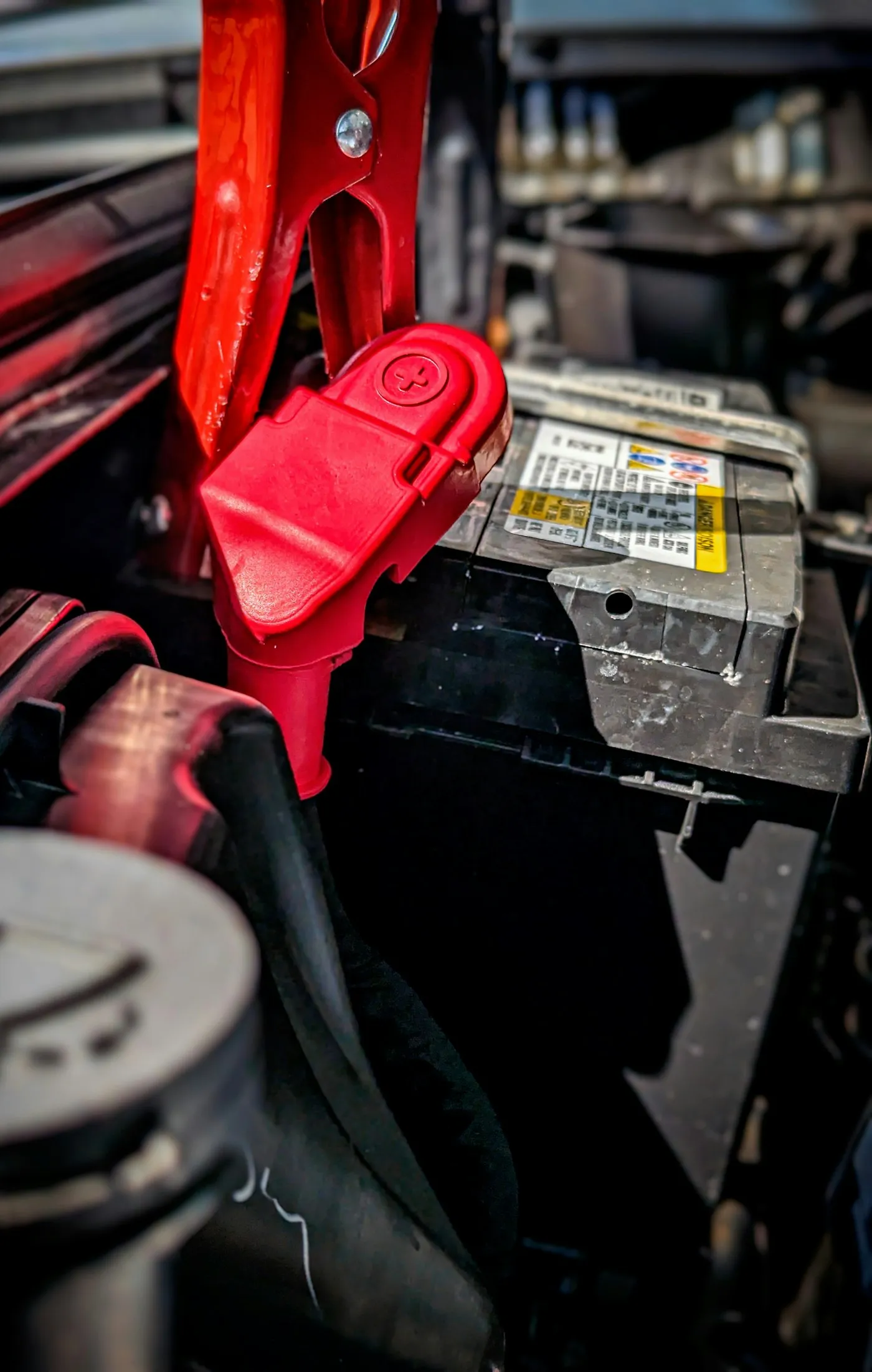
Charge the pack fully, let it rest an hour, then read each battery with a multimeter: a 6V should show about 6.3V, an 8V about 8.4V, a 12V about 12.7V. A battery more than 0.3V below its neighbors is the suspect. Confirm with a hydrometer (flooded) or a load tester before you buy anything.
How-toUpdated Nov 5, 2026
How much are golf cart batteries? 2026 prices per battery and per set
A flooded golf cart battery costs about 130 to 340 dollars in 2026, so a set of six or eight runs about 800 to 1,900 dollars before core charges and labor. A 48V lithium pack with charger and tray runs about 1,500 to 3,500 dollars installed by you, and lasts roughly twice as long.
GuideUpdated Nov 5, 2026