How much is a golf cart? New, used and lithium prices in 2026
The honest answer is anywhere from $3,000 to $25,000, and almost all of that spread is explained by four things: age, batteries, seats and whether it is built for the street. Here are the ranges and what moves a cart inside them.
We pick from published specs, maker instructions and what owners report. We may earn a commission from links on this page; it never changes what we recommend. How we choose
The short answer
A used fleet cart runs about $3,000 to $5,500, a refurbished one about $5,500 to $9,000, and a new two-passenger cart about $8,500 to $13,000 depending on gas, lead-acid or lithium. Lifted four-seaters and street-legal LSVs are about $14,000 to $25,000. Budget roughly $400 to $900 a year to own one.
- A used fleet cart runs about $3,000 to $5,500, or about $5,500 to $9,000 refurbished by a dealer.
- A new two-seater is about $8,500 to $13,000; lifted four-seaters and LSVs run about $14,000 to $25,000.
- Batteries explain most price gaps, and a set over four years old means about $900 to $2,800 more.
- Budget roughly $400 to $900 a year to own one, counting batteries, charging, tires and insurance.
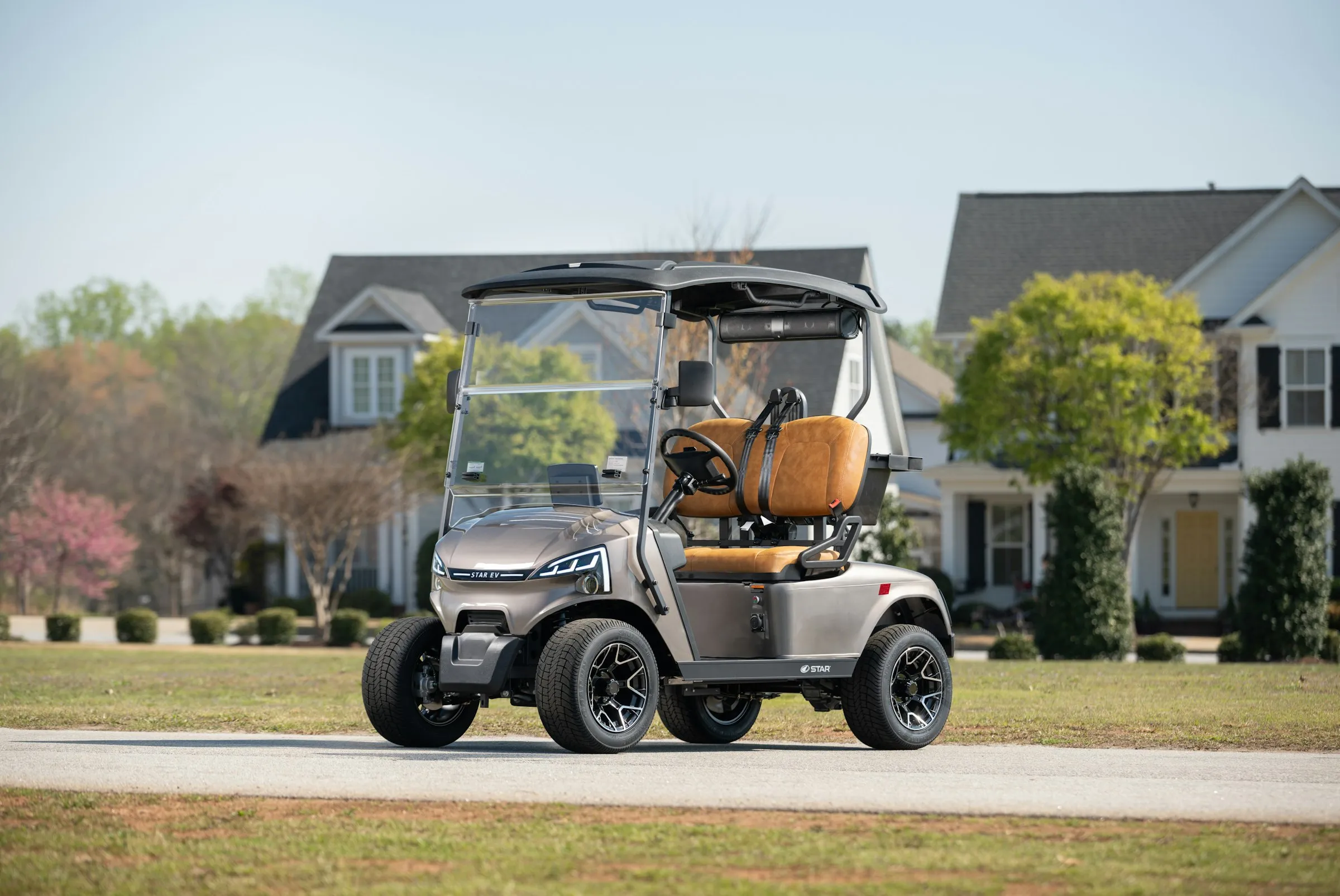
Our picks at a glance
Prices are estimates as of Oct 17, 2026
- 1The upgrade that moves the price mostEco Battery 48V lithium packAny 48V Club Car, EZGO or Yamaha; check the tray size for your modelabout$1,600–$2,600
- 2If you want a street cartLift kit, 4 to 6 inchModel-specific kits for DS, Precedent, TXT, RXV, G-series and Driveabout$300–$900
- 3Turning two seats into fourRear flip seat kitModel-specific kits for Precedent, DS, TXT, RXV, Drive and Drive2about$350–$800
The picks in detail
1.Eco Battery 48V lithium pack
Fits: Any 48V Club Car, EZGO or Yamaha; check the tray size for your model
At Amazon. We may earn a commission.
Pros
- A buyer can verify it in thirty seconds
- Owners report the cart feels quicker
- Range stops shrinking every season
Cons
- Needs a lithium-compatible charger
- Charger can add about $250 to $450
Why we picked it
A fresh lithium pack is the single line item that separates a $4,500 cart from a $7,500 one, and it is the upgrade a buyer can verify in thirty seconds from the display. Owners report the cart feels quicker and the range stops shrinking every season. If you are pricing a used cart, this number is what you subtract for a dead lead-acid set.
Before you buy: Needs a lithium-compatible charger; budget another $250 to $450 if one is not included.
2.Lift kit, 4 to 6 inch
Fits: Model-specific kits for DS, Precedent, TXT, RXV, G-series and Drive
At Buggies Unlimited. We may earn a commission.
Pros
- Doing it yourself costs well under the dealer package
- Model-specific kits for every major cart
Cons
- Heavier tires cost a little range
- Taller roof can matter at the garage door
Why we picked it
A lift plus 22 inch tires and 12 inch wheels is the look that adds $2,000 to $4,000 to a dealer's sticker, and the parts are about $900 to $1,800 if you do it yourself over a weekend. It also raises the cart two inches at the roof, which matters for the garage door.
Before you buy: A lifted cart on stock lead-acid batteries loses a little range to the heavier tires.
3.Rear flip seat kit
Fits: Model-specific kits for Precedent, DS, TXT, RXV, Drive and Drive2
At Buggies Unlimited. We may earn a commission.
Pros
- Four seats for a few hundred dollars
- About a two-hour bolt-on job
- Folds into a cargo deck
Cons
- Adds about 100 lb behind the rear axle
- Older carts may need heavier springs
Why we picked it
Dealers charge $1,500 to $3,000 more for a four-passenger cart. A bolt-on rear flip seat gets you there for a few hundred dollars and two hours, and it folds into a cargo deck. Most used carts in neighborhoods already have one, which is part of why they cost more than the fleet cart next to them.
Before you buy: Adds about 100 lb behind the rear axle; heavier springs are a good idea on an older cart.
A golf cart costs about $3,000 to $5,500 used from a course, $5,500 to $9,000 refurbished, $8,500 to $13,000 new as a two-seater, and $14,000 to $25,000 as a lifted four-passenger street cart or a factory LSV. Those are 2026 US dealer and private-sale ranges and they move with region, so treat them as the middle of the bell curve rather than a quote.
This is one of the owner guides; the used golf cart checklist is the companion page to bring to a driveway once you have a number in mind.
Used carts: age and batteries set the price
Golf courses turn their fleets over every four to six years, and those carts flow to dealers and auctions in big batches. That is where the cheap end of the market comes from.
| What you are looking at | Typical price | What you get |
|---|---|---|
| 15+ year old 36V cart (DS to 1994, TXT to 2009, G14/G16) | $1,500 to $3,500 | Runs, usually on a tired set; new batteries are a third of the price |
| 8 to 12 year old fleet cart, as pulled from the course | $3,000 to $5,500 | Precedent, TXT48, RXV or Drive, faded body, fleet seats, batteries of unknown age |
| Same cart, refurbished by a dealer | $5,500 to $9,000 | New battery set, new seat covers, painted body, often a rear seat and lights |
| 3 to 7 year old private cart with extras | $7,000 to $12,000 | Rear seat, lights, custom wheels, sometimes lithium |
| Lifted four-seat street build, used | $9,000 to $16,000 | Lift, 22 inch tires, light kit, often lithium |
The battery set is the swing. A lead-acid set is about $900 to $1,500 installed and a lithium pack about $1,500 to $2,800, so a fleet cart with batteries over four years old is really a $4,500 to $7,000 cart once you have made it reliable. How much golf cart batteries cost breaks that number down.
Make matters less than year and voltage. A Club Car Precedent, an EZGO TXT48 or RXV and a Yamaha Drive from the same year sell within a few hundred dollars of each other. Pre-2010 TXTs and pre-1995 DS carts are 36V, which caps their price because fewer upgrades fit.
New carts: gas, lead-acid and lithium
A new two-passenger cart from Club Car, EZGO or Yamaha is about $8,500 to $12,000 with lead-acid batteries, about $10,500 to $14,500 with a factory lithium pack, and about $9,500 to $13,000 as a gas cart. Dealer freight and setup add about $300 to $700 and are usually not in the advertised price.
Factory lithium is the default on most new electric carts now, and the premium over lead-acid has settled around $1,500 to $2,500. The lithium battery guide explains what you get for it: about 250 to 300 lb less weight, no watering, a flat voltage curve so the cart does not slow down as the charge drops, and a warranty two to three times as long.
Gas costs more up front and skips the battery bill, but it wants oil changes, a belt and a filter every season, and a carburetor clean if it sits over a winter with fuel in it. In a flat neighborhood with a plug in the garage, electric is cheaper to own; on long hills or a farm, gas earns its price.
Four seats, six seats, lifts and LSVs
Add about $1,500 to $3,000 for a factory four-passenger cart over the two-seat version, which puts a new four-seater at about $11,000 to $18,000. Six-passenger carts are a smaller market and run about $14,000 to $22,000.
A lifted street cart from a dealer, with a 4 to 6 inch lift, 22 inch tires, a light kit, a rear seat and usually lithium, is about $13,000 to $22,000 new. The same build on a used Precedent or TXT48 is about $9,000 to $16,000.
A factory LSV, which is a cart built to the federal low-speed vehicle rule with a VIN, a 20 to 25 mph top speed, seat belts, a DOT windshield and the rest, starts around $14,000 and runs to $25,000 or more. What an LSV is covers the difference, because an LSV is registered and insured like a car and a lifted golf cart is not.
What adds to the price
If you are comparing two listings, these are the lines that explain most gaps:
- Batteries. New lead-acid adds about $1,000; lithium adds about $2,000 to $3,000 and holds its value better.
- Lift and wheels. A lift kit is about $300 to $900 in parts, and a set of 12 inch wheels with 22 inch tires is another $500 to $900. Dealers charge about $2,000 to $4,000 for the package.
- Rear seat. About $350 to $800 in parts, $1,000 to $1,500 installed, $1,500 to $3,000 as a factory option.
- Lights, signals, mirrors and belts. A full street kit is about $250 to $700 in parts and adds about $1,000 to $2,000 to a dealer’s cart.
- Body and seats. A new body color is about $400 to $900, custom seats $300 to $800.
- Stereo, enclosure, extended top. Nice to have and worth maybe half their cost on resale.
What it costs to own each year
| Cost | Lead-acid electric | Lithium electric | Gas |
|---|---|---|---|
| Batteries, averaged per year | $200 to $350 | $150 to $280 | $0 (one 12V starting battery every few years) |
| Charging or fuel | $50 to $120 | $40 to $100 | $150 to $400 |
| Tires, averaged per year | $40 to $80 | $40 to $80 | $40 to $80 |
| Oil, belts, filters, tune-up | $0 | $0 | $100 to $250 |
| Insurance | $0 to $300 | $0 to $300 | $0 to $300 |
| Rough total | $300 to $850 | $250 to $750 | $300 to $1,000 |
Charging is cheap. A 48V pack holds about 5 to 6 kWh and a typical evening charge puts back 2 to 4 kWh, so three charges a week is roughly 400 to 600 kWh a year, or about $60 to $110 at average US electricity rates. Lead-acid wants watering too, which is free but not optional; a set that is not watered dies in two years instead of five.
Insurance is where general advice runs out. Many owners carry a cart on a homeowner’s rider for private-property use, a standalone golf cart policy is often about $75 to $300 a year, and an LSV needs an auto policy because it is a motor vehicle. Ask your agent before you cross a public street.
Where the money goes after the cart
Most owners spend another $1,000 to $3,000 in the first year: a cover, a windshield, a rear seat, lights, maybe a lift. The accessories pillar is organized the way those purchases happen, and the fitment pages for Club Car, EZGO and Yamaha above tell you which versions fit your year. If the cart you are buying is sitting on old lead-acid batteries, run the battery calculator before you negotiate; the ten-year number for lithium versus two lead-acid sets is usually the fact that settles the price.
Questions owners ask
How much is a used golf cart?
About $3,000 to $5,500 for an 8 to 12 year old fleet cart with tired batteries, $5,500 to $9,000 for the same cart refurbished with a new battery set, seats and tires, and $7,000 to $12,000 for a privately owned cart under seven years old with a rear seat and lights. Anything under $2,500 almost always needs batteries.
Is a lithium golf cart worth the extra $2,000?
If you drive it most days, yes. Lithium is about $1,500 to $2,800 more than lead-acid on a new cart and is usually warrantied for eight to ten years, where a lead-acid set is about $900 to $1,500 every four to six years. The battery calculator does the arithmetic with your miles.
Are gas golf carts more expensive than electric?
New, a gas cart is usually $500 to $1,500 more than the same electric cart with lead-acid batteries and about the same as one with lithium. Used, gas carts hold their price better because there is no battery set to replace, so a ten year old gas cart often costs $1,000 more than the electric next to it.
What does a street legal golf cart cost?
A cart with the lights, mirrors, turn signals, horn and seat belts most ordinances ask for is about $1,000 to $2,000 more than the same cart without them, whether the dealer installs the kit or you do. A factory LSV with a VIN and a 25 mph top speed starts around $14,000 and runs past $25,000 for four-seat lifted versions.
Not sure it fits your cart?
Pick your make, model and year. We'll tell you the voltage and which parts fit.
Keep reading
All owner guides guides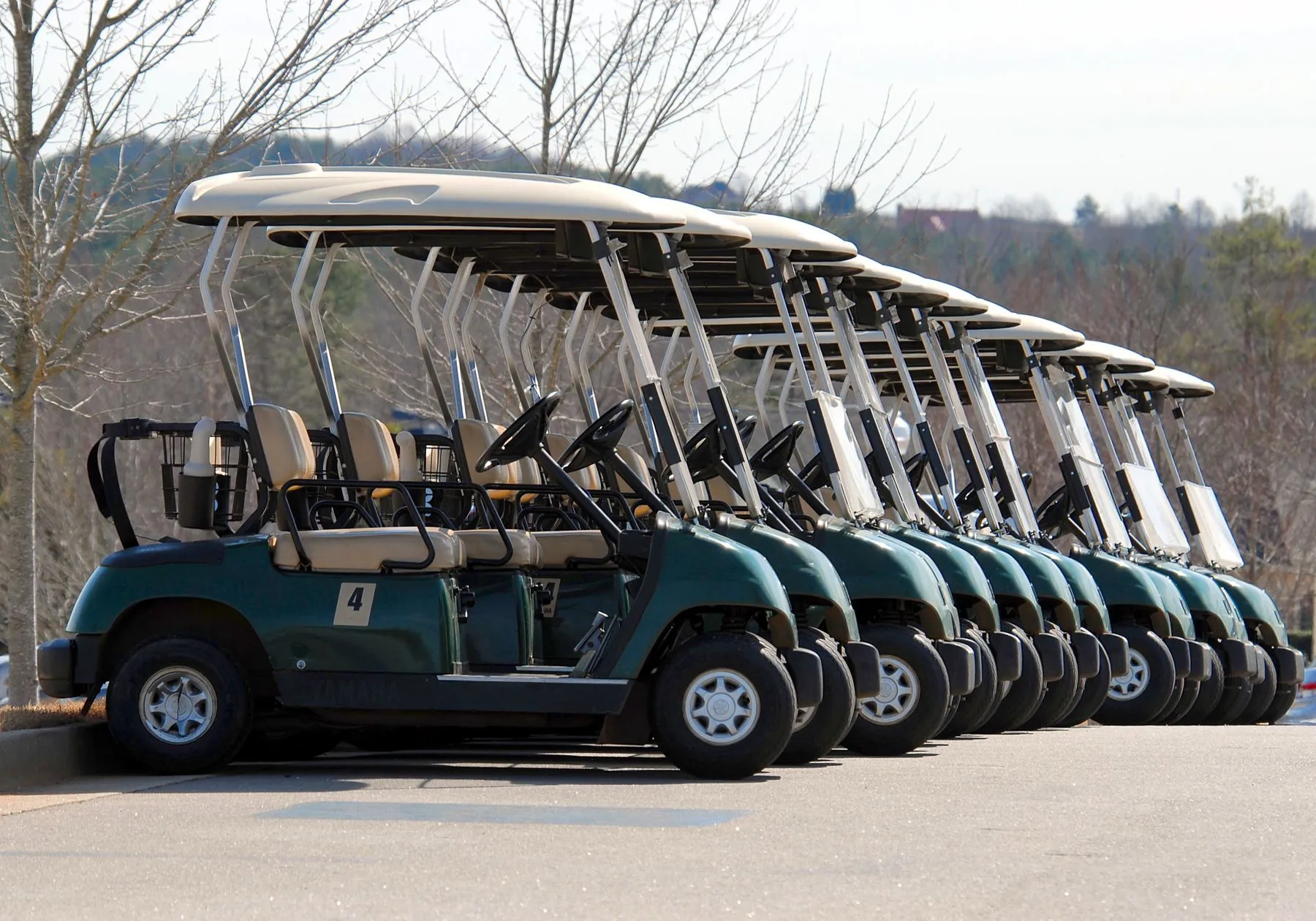
Used golf cart checklist: what to inspect and what to pay
Bring a multimeter and check five things: the serial plate for year and voltage, the battery date codes and the rested pack voltage, that the matching charger comes with it, frame rust at the battery tray and rear spring hangers, and that a title or a bill of sale with the serial number is in hand. A sound 8 to 12 year old fleet cart is about $3,000 to $5,500; the same cart with a fresh battery set is about $1,000 to $1,500 more.
Owner guideUpdated Nov 5, 2026
How much are golf cart batteries? 2026 prices per battery and per set
A flooded golf cart battery costs about 130 to 340 dollars in 2026, so a set of six or eight runs about 800 to 1,900 dollars before core charges and labor. A 48V lithium pack with charger and tray runs about 1,500 to 3,500 dollars installed by you, and lasts roughly twice as long.
GuideUpdated Nov 5, 2026
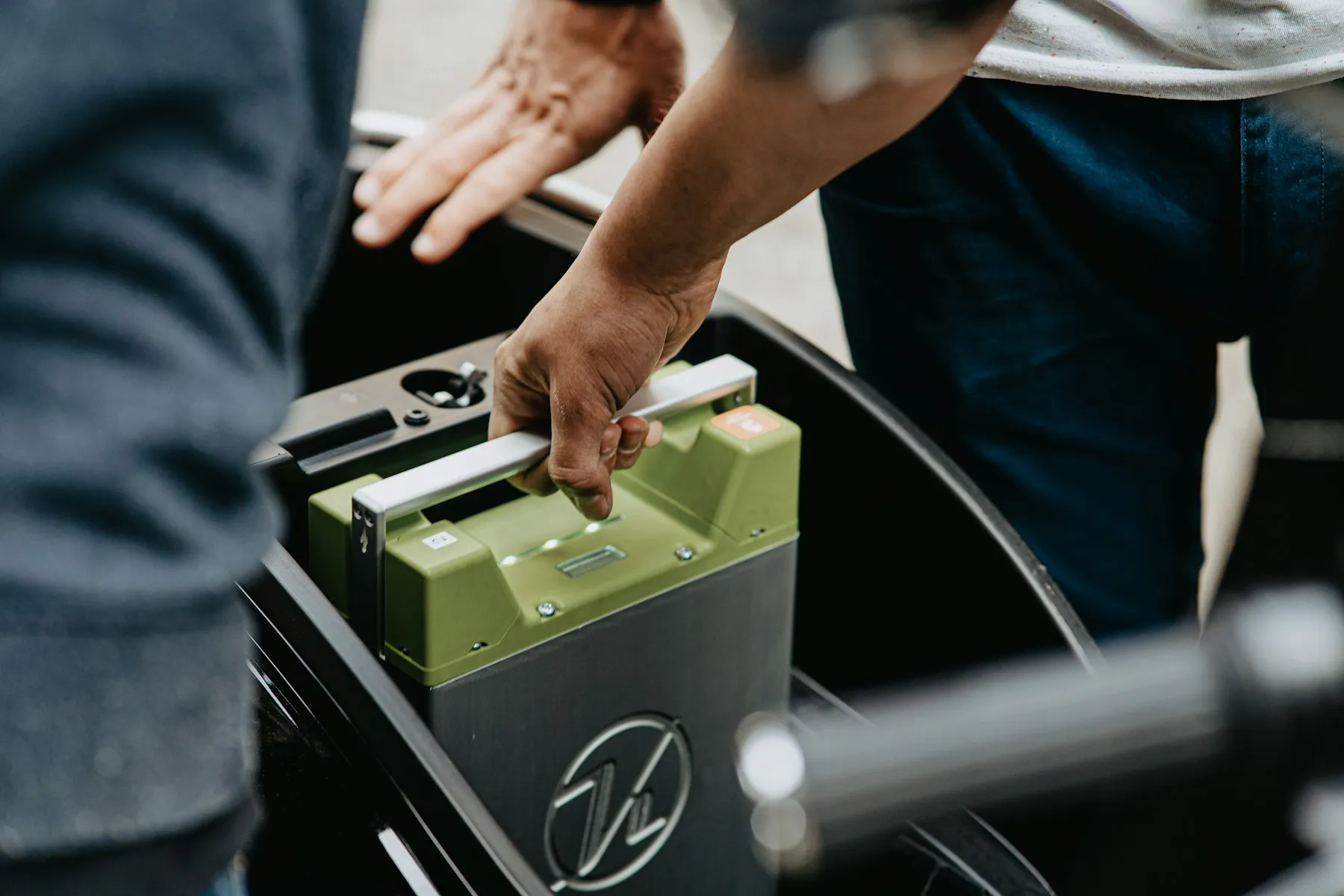
Best lithium golf cart batteries: 48V and 36V packs that fit
A lithium pack costs more than a flooded set on the day you buy it and less by the time the second flooded set would have gone in. These are the packs that fit a standard cart, from the ones we would buy for a daily driver to the ones that make sense for a 36V cart you are keeping original.
Best picks · 6 picksUpdated Nov 5, 2026