How long do golf cart batteries last? Flooded, AGM and lithium
The honest range is four to six years for a flooded set, and the difference between four and six is almost entirely how the owner treated them. Lithium is a different animal, warrantied for eight to eleven years and likely to outlast the cart.
We pick from published specs, maker instructions and what owners report. We may earn a commission from links on this page; it never changes what we recommend. How we choose
The short answer
Flooded lead-acid golf cart batteries last four to six years, AGM three to five, and lithium eight to ten or more, which is how long the makers warranty them. Watering, charging after every use and never running the pack below half are what put a flooded set at the top of that range.
- Flooded golf cart batteries last four to six years, AGM three to five, and lithium eight to ten or more.
- Monthly watering, charging after every use and never running below half put a flooded set near six years.
- Heat ages lead-acid fastest; a set in a hot-climate garage gives up about a year.
- Replace a flooded set when two or more batteries fail a load test, or it is past four years and fading.

Our picks at a glance
Prices are estimates as of Oct 17, 2026
The picks in detail
1.Single-point battery watering kit
Fits: Flooded 6V, 8V and 12V sets; kits are sold by battery count and voltage for Club Car, EZGO and Yamaha
At Amazon. We may earn a commission.
Pros
- Fills every cell in about two minutes
- Owners who fit one water on schedule
Cons
- Must match your battery count and case
Why we picked it
Low water is the most common way a flooded set dies early, and the reason is that checking twelve to thirty-six cells with a flashlight is a chore people skip. A watering kit replaces the caps with valves linked by tubing and fills every cell to the right level from one hand pump in about two minutes. Owners who fit one tend to water on schedule, and the sets last.
Before you buy: Buy the kit for your battery count and case type. A six-battery 8V kit has 24 valves; a six-battery 6V kit has 18.
2.Battery terminal protector spray
Fits: Any lead-acid set
At Amazon. We may earn a commission.
Pros
- Keeps crust from returning for a season
- One can does a set several times
Cons
- Terminals must be cleaned and dried first
Why we picked it
Corrosion on a terminal adds resistance, which makes the charger think the battery is fuller than it is and makes the motor pull harder on the cable. A coat of terminal protector after cleaning stops the white crust from coming back for a season. One can does a set several times over.
Before you buy: Clean the terminals with baking soda and water first and let them dry; spraying over existing corrosion seals it in.
Flooded lead-acid golf cart batteries last four to six years. AGM lasts three to five. Lithium is warrantied for eight to eleven years depending on the brand and will probably outlast the cart it goes into. Those are the ranges owners and dealers report, and the spread inside each one is mostly about how the batteries were treated: watered or not, charged after every use or left half full, run to empty or turned around at half.
How long do golf cart batteries last is really two questions: how long should they, and how long will yours. The first is the table below. The second depends on the habits in the next section, and if you are about to replace a set, the batteries hub and the battery calculator will show whether the next set should be flooded or lithium for the way you drive.
Life by battery type
| Type | Typical life | What the makers warranty | Cycles at 50 percent use |
|---|---|---|---|
| Flooded lead-acid (Trojan, Interstate, Crown, Duracell) | 4 to 6 years | 12 to 18 months free replacement | 500 to 1,000 |
| AGM lead-acid | 3 to 5 years | 12 to 24 months | 400 to 800 |
| Lithium iron phosphate (Eco, Epoch, RoyPow, Dakota, Allied) | 8 to 10 or more | 5 to 11 years | 3,000 to 5,000 |
A few things stand out. The warranty on a flooded battery is a year or so, which is a sixth of its expected life; the makers are covering manufacturing defects, not wear. The lithium warranties are the life, and they come with cycle-count conditions written into them. And AGM, which costs more than flooded, does not last longer in a golf cart. It makes sense where you cannot water batteries, in an enclosed compartment or a cart that lives on its side in a trailer, and not otherwise.
Within flooded sets, 6V batteries tend to outlast 8V by about a year because they have thicker plates, and both outlast 12V golf cart batteries, which have the thinnest. The 6-volt and 8-volt pages explain why.
What shortens the life of a flooded set
Running low on water. Once the plates are exposed to air they oxidize and that part of the plate is gone for good. Check monthly, more often in summer, and fill with distilled water after charging to a quarter inch above the plates. This single habit is the difference between four years and six.
Leaving the pack partly charged. Lead sulfate forms on the plates every time the battery discharges and dissolves when it charges. Leave the battery half charged for a few weeks and the sulfate hardens into crystals that no longer dissolve. The capacity is gone. Plug the cart in every time it comes home and let the charger finish.
Running it down below half. A flooded battery that is used to 50 percent of capacity and recharged gives about twice the cycles of one run to 80 percent. Every trip that brings the cart home on the last bar costs you several ordinary trips.
Heat. A set in a Florida, Texas or Arizona garage ages about a year faster than the same set in Michigan. There is not much to do about it except keep the water up, which matters more when it is hot, and park in the shade.
Corrosion and loose terminals. White crust on a post adds resistance, which confuses the charger and starves the motor. Clean with baking soda and water, snug the nuts, and coat the terminals. The maintenance page has the full monthly routine, and the charging guide covers equalizing, which reverses mild sulfation if you do it before it hardens.
Mixing old and new. A new battery dropped into a three-year-old set gets pulled down to the level of the old ones within months. Replace one only in a set under about a year old.
What shortens the life of lithium
Not much, which is the point. Lithium iron phosphate does not sulfate, does not need water and does not mind sitting at half charge for the winter. Two things matter. Charging below freezing, which the BMS will block and which can damage cells if a charger forces it; a heated pack or an indoor charger solves that. And repeated BMS trips from a controller that pulls more than the BMS continuous rating, which is a sizing mistake rather than wear. The lithium overview covers both.
Signs a set is done
Range has dropped by a third or more from new, on the same route. The cart that did 18 holes and the ride home now needs the charger at the turn.
The cart is slow on hills it used to climb, or the lights dim when you accelerate. That is pack voltage sagging under load, which is tired plates.
The charger runs longer than it used to, or shuts off early. Either means the batteries are no longer taking a charge the way they did.
One battery is hot after charging, bulged, or smells of rotten eggs. Stop, disconnect the charger and replace it, and test the rest.
Rested voltage spread. An hour after a full charge, all six batteries should read within about 0.2 volts of each other. One that reads 0.3 or more below its neighbors is failing. The test guide walks through the multimeter, hydrometer and load test in about an hour.
When to replace, and with what
Replace a flooded set when two or more batteries fail a load test, or when the set is past four years and range has fallen off; at that point replacing one battery buys a season and no more. The cost guide has 2026 prices for each option.
Whether the next set should be flooded or lithium comes down to use. A cart driven a few times a week in a garage does fine on another flooded set at about half the price. A cart driven daily, parked for months at a time, or owned by someone who is done lifting 60-pound batteries is a lithium cart, and the calculator will show the break-even year with your own mileage. The fitment pages for Club Car, EZGO and Yamaha list which battery layout each model takes.
Questions owners ask
How many charge cycles does a golf cart battery last?
A good flooded battery gives 500 to 1,000 cycles if you only use half the capacity each time, and far fewer if you run it flat. AGM is similar or a little less. Lithium iron phosphate is rated for 3,000 to 5,000 cycles, which at one cycle a day is eight to thirteen years.
Do golf cart batteries wear out if the cart just sits?
Flooded and AGM batteries do. Left half charged for a few months, the plates sulfate and the battery loses capacity it never gets back. Keep a stored cart on its charger or on a maintainer. Lithium sits for months at half charge without harm, which is one of the stronger arguments for it on a seasonal cart.
Is heat or cold worse for golf cart batteries?
Heat, for lead-acid. A set in a Florida or Arizona garage ages about a year faster than the same set in a cooler climate, because the chemical reactions that wear the plates run faster when warm. Cold just reduces capacity temporarily. Lithium is the reverse: it does not mind heat much but will not accept a charge below freezing.
Can I make an old set last one more season?
Sometimes. Fill the water, give it a full charge and an equalize cycle, clean the terminals, and load test each battery. If one is bad and the others hold up under load, replacing the one buys a season. If three or more sag under load, the set is done and more charging will not bring it back.
How long do lithium golf cart batteries really last?
Long enough that there is not much field data yet from carts. The makers warranty them for eight to eleven years, and the cell chemistry is rated for 3,000 cycles or more to 80 percent capacity. Owners who converted in the early 2020s report no meaningful range loss so far. Treat ten years as the planning number.
Not sure it fits your cart?
Pick your make, model and year. We'll tell you the voltage and which parts fit.
Keep reading
All batteries guides
How much are golf cart batteries? 2026 prices per battery and per set
A flooded golf cart battery costs about 130 to 340 dollars in 2026, so a set of six or eight runs about 800 to 1,900 dollars before core charges and labor. A 48V lithium pack with charger and tray runs about 1,500 to 3,500 dollars installed by you, and lasts roughly twice as long.
GuideUpdated Nov 5, 2026
Golf cart battery maintenance: the monthly routine
Once a month, after a full charge, top each cell up with distilled water to about a quarter inch below the fill well, clean any crust off the terminals with baking soda and water, check that every cable lug is tight and bright, and run an equalize charge if your charger offers one. That routine is the difference between three years and six from a flooded set.
How-toUpdated Nov 5, 2026
How to test golf cart batteries: multimeter, hydrometer, load test
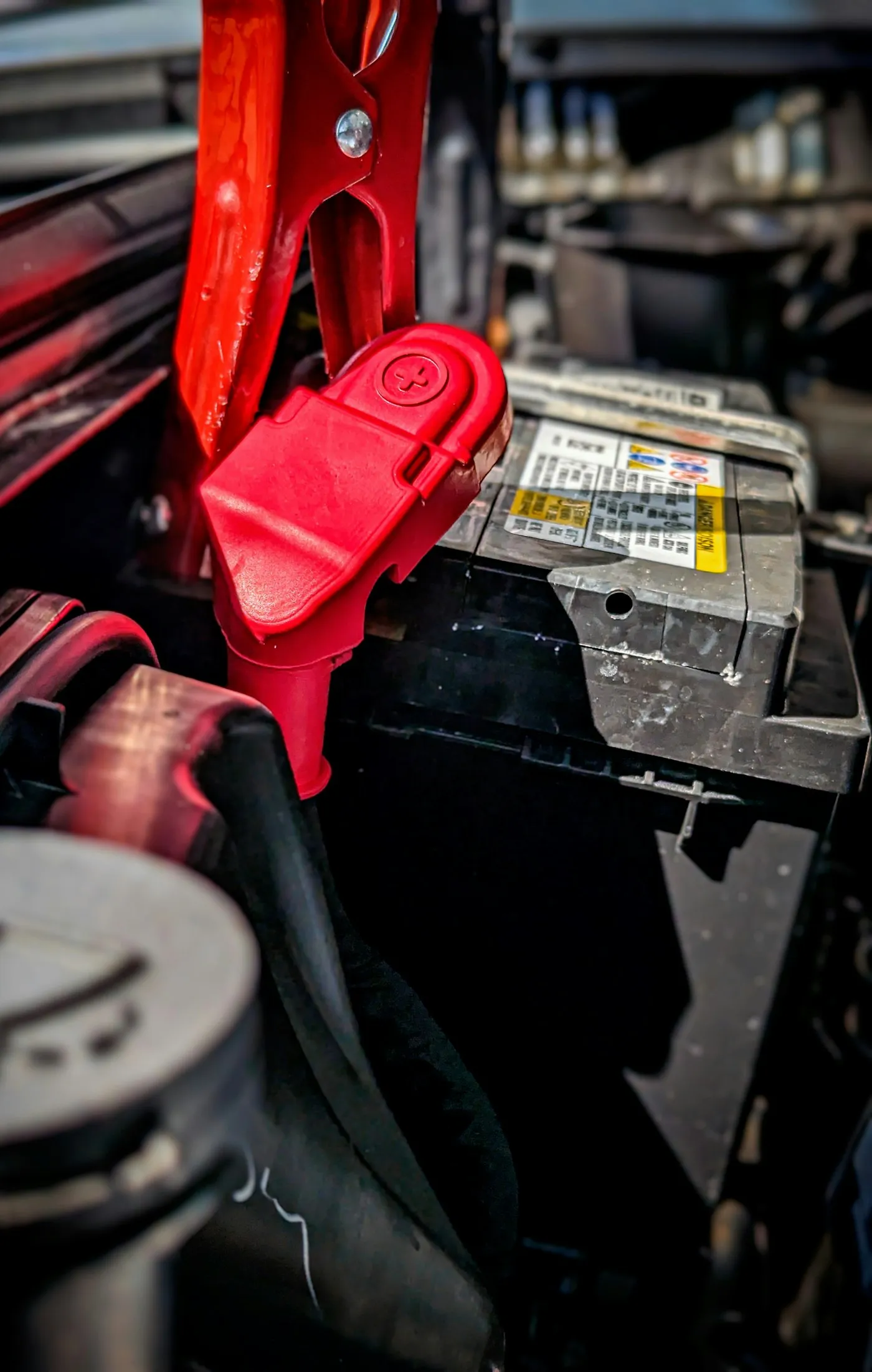
Charge the pack fully, let it rest an hour, then read each battery with a multimeter: a 6V should show about 6.3V, an 8V about 8.4V, a 12V about 12.7V. A battery more than 0.3V below its neighbors is the suspect. Confirm with a hydrometer (flooded) or a load tester before you buy anything.
How-toUpdated Nov 5, 2026